Liebherr Refrigerator Error Code RE
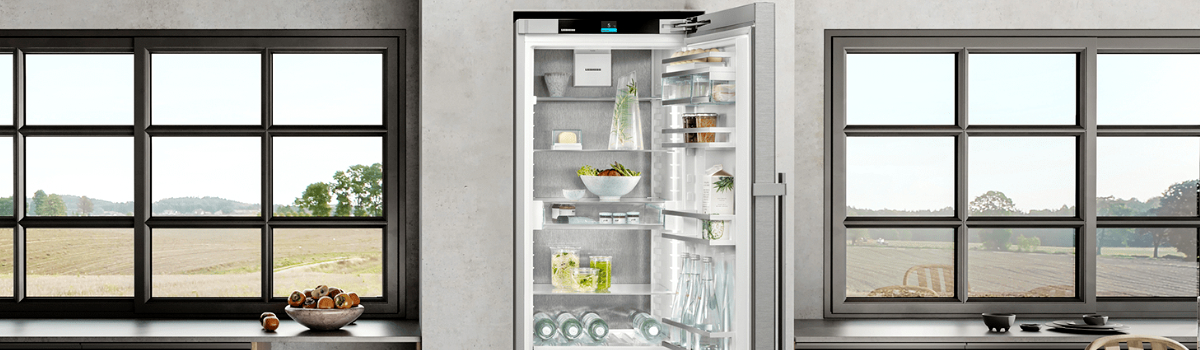
When your Liebherr refrigerator suddenly throws Error Code RE, it can be confusing and a little stressful. RE is a general temperature sensor error – the control board is getting a signal that’s out of range, or it sees the sensor circuit as open or shorted. In plain English, the fridge is no longer sure how cold it really is.
This guide walks you through what Error RE actually means, what you’re likely to see at home, which causes are common, what you can safely try yourself, and what you can do to prevent this issue from coming back.
Typical Signs When Liebherr Error Code RE Shows Up
Here’s what many people notice when Error RE appears on a Liebherr refrigerator:
- The display shows “RE” or alternates between RE and the temperature.
- The refrigerator or freezer temperature on the display doesn’t seem to match how cold it feels inside.
- Food in the fresh food compartment may feel too warm, while the freezer might be too cold (or the opposite).
- The unit may run for long periods without shutting off, or cycle on and off more than usual.
- You might hear alarms, beeps, or see warning icons related to temperature.
- In some cases, the fridge keeps cooling but never really stabilizes; in others, cooling drops off because the control board is “confused” by the bad sensor reading.
If you notice that food is already getting soft, warm, or starting to thaw, treat it as urgent: keep the doors closed as much as possible and move quickly through basic checks.
What Liebherr Error Code RE Means Inside the Fridge
How the Temperature Sensors Work
Modern Liebherr refrigerators use electronic temperature sensors (often NTC thermistors) in different zones: fresh food compartment, freezer compartment, and sometimes evaporator or ambient sensors. These sensors constantly send resistance-based signals to the main control board, which then decides when to run the compressor, fans, and defrost cycles.
What “General Temperature Sensor Error” Really Is
When Error RE appears, the main control board is telling you that one of those sensor signals doesn’t make sense anymore. The reading is outside the expected range, or the board “sees” the circuit as broken (open) or shorted. That can happen if:
- The sensor itself is damaged or out of spec.
- The wiring to the sensor is broken, pinched, or shorted.
- Connectors are loose, corroded, or damp.
- The control board input for that sensor is failing.
The fridge may still cool, but it’s running partially “blind,” because it doesn’t trust the temperature information it’s getting.
Why This Affects Real-World Cooling
Without a reliable temperature signal, your Liebherr can:
- Overcool, turning parts of the fridge into a mini freezer.
- Undercool, letting temperatures drift into an unsafe zone for food.
- Run constant alarms or error codes, even if the interior doesn’t feel that bad yet.
Code RE is your early warning that something in the temperature sensing system needs attention.
Most Common Causes of Liebherr Error Code RE
Several different issues can trigger Error RE. The most common are:
A failing temperature sensor
The sensor itself can drift out of range with age, moisture, or physical damage.
Loose, oxidized, or damp connectors
Connectors at the sensor or control board can loosen over time or develop light corrosion, which distorts the signal.
Damaged or pinched wiring
Wires running through the cabinet, hinges, or behind panels can get pinched, broken, or chewed (in garages/basements).
Heavy frost or ice around the sensor
Ice buildup on or around a sensor can cause strange readings and trigger an error.
Control board input issues
Less common, but sometimes the main control board’s sensor input circuit is damaged by power surges or internal failure.
Knowing these likely causes helps you decide what’s reasonable to try yourself and when to call in a professional.
Safe DIY Steps Before You Call for Service
You don’t need to be an engineer to rule out basic issues. There are a few safe, homeowner-friendly checks that can sometimes clear Error RE or at least narrow down the problem.
⚠️ Safety first: Always unplug the refrigerator or switch off the dedicated breaker before touching any internal components. If you’re not comfortable doing that, stop at the visual checks and contact a professional.
Step 1: Do a Proper Power Reset
A true reset can clear temporary software glitches and sometimes sensor misreads:
Disconnect the refrigerator from power by unplugging it from the wall or switching off the breaker. Leave it completely off for about 10–15 minutes so the control board can fully discharge. Then restore power and give the unit a few minutes to start up and stabilize. Watch the display: if Error RE does not return over the next day or two and temperatures remain stable, the issue may have been a one-time glitch or a marginal sensor reading that corrected itself.
Step 2: Check for Obvious Temperature Problems Inside
Open the fridge and freezer and pay attention to what you see and feel. If you notice heavy frost or a block of ice around the area where the sensor sits (often on the back wall or near air vents), that buildup can cause the sensor to read incorrectly. Also check air vents and channels; make sure nothing is completely blocked by large items or tightly packed food. Good airflow helps the sensor “see” a more accurate temperature instead of a trapped warm or cold pocket.
Step 3: Inspect for Frost, Condensation, and Door Issues
Scan the door gaskets for gaps, tears, or areas where they don’t make good contact with the cabinet. Warm, moist air leaking in can cause temperature swings and heavy frost around sensors. Wipe away visible condensation or light frost near sensor covers and vents. If the doors don’t close cleanly, adjust how you load the shelves and door bins so that no item is pushing the door outward.
Step 4: Gently Check Accessible Wiring (Only If You’re Comfortable)
If you are handy and your model allows safe access to a rear or top control compartment, you can do a light visual inspection—always with the fridge unplugged. Remove the access panel to the main control board and simply look for obvious issues: loose connectors, wires that look pinched or damaged, or signs of moisture. Using one hand on the plastic connector body, gently make sure connectors are fully seated. Avoid tugging on individual wires. If you smell a burnt electronics odor or see scorched components, stop and schedule professional service.
Step 5: Monitor Temperatures and Error Behavior
After these basic checks and a reset, monitor how the refrigerator behaves over the next 24–48 hours. Keep an eye on:
- Whether Error RE returns.
- How quickly it comes back after a reset.
- Whether food seems properly cold, too warm, or partially frozen.
If the code returns quickly, or if temperatures clearly aren’t right, that’s a strong sign that the sensor circuit or hardware needs professional diagnosis and likely part replacement.
Preventive Tips to Avoid Error RE in the Future
Even after the issue is solved, a few simple habits can help reduce the chances that Error RE comes back:
Keep air paths and vents clear
Don’t pack food directly in front of vents or against the back wall. Good airflow helps sensors read accurate temperatures.
Avoid overloading the refrigerator
An overloaded fridge can create hot and cold pockets, forcing sensors and controls to work harder and exposing them to more moisture.
Check and clean door gaskets periodically
Wipe gaskets with a mild detergent and make sure they seal well. Poor seals cause condensation and ice that can affect sensors.
Limit frequent door openings in hot, humid weather
Rapid, repeated openings pull in warm, moist air, which can lead to heavy frost and weird temperature readings.
Use surge protection in areas with unstable power
A quality surge protector or whole-house protection can help guard sensitive control electronics and their sensor inputs.
Follow manufacturer cleaning and defrost guidelines
Regular coil and vent cleaning helps the system run at normal temperatures and reduces stress on all components, including the sensors.
When DIY Is No Longer a Good Idea
There is a point where continuing to experiment on your own stops being helpful and may cost you more in the long run. You should stop DIY and call a qualified Liebherr refrigerator technician if:
- Error RE returns immediately or within a short time after a proper reset.
- The refrigerator or freezer cannot hold safe food temperatures.
- You see heavy, repeated frost/ice buildup around the sensor area.
- You notice damaged wiring, burnt components, or a strong burnt smell.
- You’re not comfortable removing any panels or working near electrical parts.
At that stage, the sensor itself may need to be replaced, wiring may need repair, or the control board may need to be tested and possibly swapped. Those jobs require the right parts, tools, and knowledge to avoid misdiagnosis and extra cost.
Quick FAQ: Liebherr Error Code RE
Is Error RE always a bad temperature sensor?
Not always. Error RE means the control board doesn’t trust a temperature signal, but the root cause could be a failing sensor, a loose or corroded connector, damaged wiring, moisture or ice around the sensor, or in some cases a problem on the control board itself. That’s why it’s smart to start with simple checks—reset, interior inspection, frost and door gasket check—before assuming the sensor has to be replaced.
Can I keep using the refrigerator if RE is showing but it still feels cold?
You might be able to use it short-term, but it’s not a great idea to ignore the code. When the fridge is guessing at temperatures because of a bad sensor reading, it can gradually drift too warm or too cold without obvious changes on the display. That can lead to food safety issues or slowly freezing items in the fresh food section. Treat Error RE as something that needs attention, even if everything still feels “okay” right now.
Will a single reset fix Error RE permanently?
Sometimes, yes. If Error RE came from a one-time software glitch, a momentary power event, or a borderline reading that corrected itself, a full power reset can clear it and you may never see it again. But if the code keeps coming back, appears more often over time, or shows up after every outage or breaker flip, that’s a strong sign of a real hardware issue—sensor, wiring, connectors, or control board—that needs proper repair.
Do I need to replace the whole refrigerator because of Error RE?
In most cases, no. A temperature sensor error rarely means the entire appliance is finished. Many RE cases are resolved with a sensor replacement, wiring repair, connector work, or control board service. A professional technician can test the components involved, give you a clear diagnosis, and help you decide whether the repair cost makes sense for the age and condition of your Liebherr, or whether you’re better off planning for replacement down the road.
If your Liebherr refrigerator is showing Error Code RE, think of it as the fridge raising its hand and saying, “I don’t trust my temperature readings.” Start with safe basics: a proper reset, a look inside for frost or airflow problems, and simple visual checks. If the code returns or temperatures don’t feel right, don’t ignore it—getting the sensor system inspected and repaired will protect your food, your comfort, and your refrigerator’s long-term health.