Liebherr Refrigerator Error Code AFR
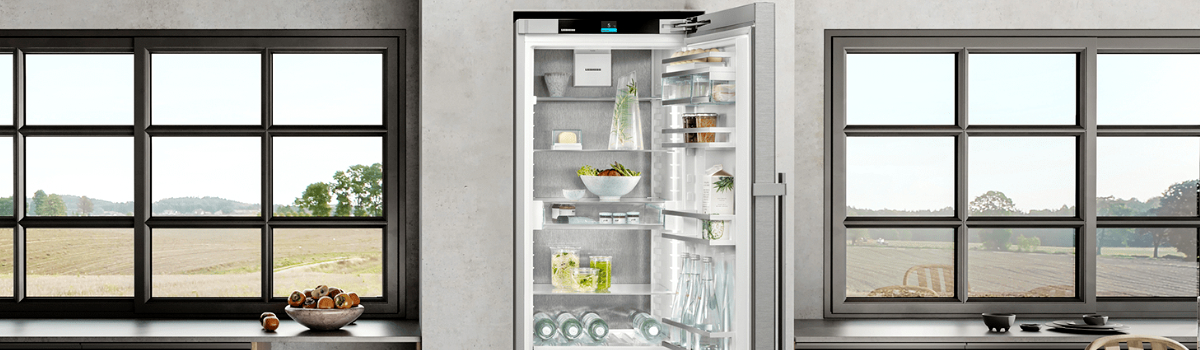
When your Liebherr refrigerator suddenly shows Error Code AFR, it’s easy to panic and imagine the worst. In simple terms, AFR means the temperature around the product sensor has dropped below 0°C (32°F). That usually points to a setup issue, loading problem, airflow restriction, or a problem with the sensor or its wiring – not necessarily a major sealed system failure.
This guide walks you through what Liebherr error AFR actually means, why it shows up, what you can safely check yourself, and how to prevent it from coming back. The goal is to keep this easy to read, even if you’re not technical, and help you decide when DIY is enough and when it’s time to bring in a professional.
What Liebherr Error Code AFR Actually Means
Inside your Liebherr refrigerator, product sensors monitor the temperature near your stored food, not just the air in the compartment. That helps the control system keep real food temperatures in a safe range, not just the empty-cabinet temperature.
When AFR appears, it’s your refrigerator saying something like:
“I’m detecting temperatures below freezing around the product sensor where food should normally stay above 32°F (0°C). Something about the way I’m loaded, configured, or sensing isn’t right.”
In a perfectly set up refrigerator compartment (not a freezer), the area around that product sensor shouldn’t be consistently below freezing. If it is, the control board assumes:
- The sensor might be covered in ice
- The airflow is wrong and cold air is blasting directly on it
- The sensor itself is misreading
- Or there is a deeper control or wiring problem
So AFR is less about a single broken part and more about “conditions around the sensor are outside normal limits”.
Typical Symptoms When AFR Shows Up
When error AFR appears, most people first notice the code on the display and then start seeing “freezing where it shouldn’t be.” You might find that items near a certain area of the fridge, especially near the back wall or close to a vent, are partially frozen or have ice crystals on them. Some foods that should stay chilled – like fruits, vegetables, or drinks – may come out harder than they should or have a slushy texture.
At the same time, the rest of the compartment may look and feel normal, which can be confusing. In some cases, you’ll notice frost building up on the inner wall or around a shelf near where the product sensor is located. The refrigerator may still run and cool, but the control system is telling you that the temperature around that sensor has gone below the freezing point, and that’s not how it’s supposed to operate in regular refrigerator mode.
Why Liebherr AFR Happens: Main Causes
To fix AFR, it helps to understand what typically triggers it. Most of the time, the code is linked to conditions inside the compartment, not a big sealed-system failure.
Cold Air Blasting Directly on the Sensor
One common cause is direct cold air hitting the product sensor. If the sensor is located near an air outlet and food is stacked in a way that forces airflow straight onto it, that small area can drop below 32°F even while the general cabinet temperature is fine. The control system sees that ultra-cold pocket and flags it as an abnormal condition.
Wrong Loading or Blocked Airflow
How you load your Liebherr matters. Overpacking shelves, pressing containers tightly against the back wall, or blocking air channels can trap very cold air around the sensor. When cold air cannot circulate evenly, it tends to pool in certain spots, causing local freezing right where the product sensor sits. That local freezing is exactly what the AFR code is trying to warn you about.
Aggressive Temperature Settings or Special Modes
If the refrigerator is set very low, or if SuperCool / SuperCool+ or similar high-performance modes are used for too long, the unit may push temperatures down aggressively. In that situation, the area near the product sensor can cross below freezing, especially if loading or airflow is not ideal. The AFR code can be the control board’s way of saying: “This is colder than I’m supposed to allow for normal refrigerator use.”
Door Seals, Ambient Conditions, and Cycling
In some homes, very cold ambient conditions or unusual operating environments can lead to uneven temperature behavior inside the cabinet. A door that doesn’t seal consistently can also cause the unit to cycle more often and harder than normal, again creating pockets where temperatures overshoot below 0°C around the sensor.
Faulty Product Sensor or Control Electronics
Finally, there is the hardware side. If the product sensor is failing, its wiring is damaged, or the main control board isn’t reading it correctly, the system may think temperatures are freezing even when they are not, or it may misread a real cold condition as much more extreme than it truly is. In those cases, you might notice AFR with no obvious frozen food or only mild issues, suggesting the electronics have drifted out of spec.
Safe DIY Steps to Try Before Calling for Service
Before assuming the sensor or control board must be replaced, there are several safe, homeowner-level checks that can often clear an AFR condition. As always, safety first.
1. Do a Basic Power Reset
Sometimes AFR is triggered by a temporary glitch in how the control board reads the sensor. A simple reset can help:
- Turn the refrigerator off using the control panel if your model allows it, then unplug it from the wall outlet.
- Leave it powered off for about 10–15 minutes to let the electronics fully discharge.
- Plug the unit back in and turn it on, then give it some time to stabilize.
- Monitor the display and see if AFR returns after normal operation resumes.
If AFR disappears and does not come back over the next day or two, you may have just cleared a one-time software or reading issue.
2. Reorganize the Food Around the Sensor
Next, look at how the refrigerator is loaded, especially near the back wall and around where the product sensor is installed (on many models, that’s near a particular shelf or area the manual points out):
Move tall containers, boxes, and solid packages away from the cold air outlets. Avoid pressing food directly against the back wall or sensor area. Try to leave some space for airflow between items, particularly around that sensor zone.
After rearranging the food, let the unit run for several hours and check if AFR appears again and whether freezing issues improve.
3. Check and Adjust Temperature Settings
Confirm that the set temperature for the refrigerator compartment is appropriate for normal use. If you’ve set it to a very low temperature trying to “make things colder,” consider raising the setpoint slightly back into the recommended range from the user manual. Also, make sure special cooling modes (like SuperCool) are not left on for longer than necessary. These modes are meant for short-term cooling boosts and can push sensor areas below freezing if used constantly.
4. Inspect Seals and General Conditions
Look at the door gasket carefully. If the door doesn’t close properly or the seal is damaged, the fridge may overwork and cycle aggressively to maintain temperature, which can lead to unexpected cold spots:
Make sure nothing is blocking the door from closing fully. Check the gasket for tears, gaps, or hardened sections. Ensure the unit has proper ventilation around the cabinet as described in the installation guide, so the cooling system can operate as designed.
If you correct a seal or installation issue, monitor the unit for a day or two to see whether the AFR code stops appearing.
5. Observe Whether Food Is Still Freezing
As you make changes, pay attention to what’s happening to the actual food near the sensor area. If items that used to freeze solid now stay properly chilled, and AFR stops appearing, you likely addressed the root cause through loading, settings, or airflow corrections. If AFR keeps coming back even after careful setup changes, there may be a real sensor or control issue that needs a professional diagnosis.
When DIY Isn’t Enough
There’s a point where it doesn’t make sense to keep experimenting. If:
- AFR returns repeatedly after a proper reset and careful reloading,
- Food is still freezing in specific areas even with reasonable temperature settings, or
- You suspect a wiring or sensor failure but can’t physically access or test it safely,
then it’s time to bring in a professional technician who knows Liebherr systems. They can test the product sensor, wiring harness, and control board with the right tools and decide whether a recalibration, sensor replacement, or control board repair is needed. Guessing and replacing electronics at random can get expensive quickly, so a proper diagnosis usually saves money in the long run.
Preventive Tips to Avoid Liebherr Error AFR in the Future
Once AFR is gone, it’s smart to adjust a few habits so it doesn’t keep coming back.
Load the Refrigerator for Good Airflow
Try to keep shelves from becoming solid walls of food. Leaving small gaps between items allows cold air to spread out instead of blasting one spot. Avoid pushing containers tightly against the back wall or directly in front of air outlets, especially near the known sensor area.
Use Temperature Settings Wisely
Stick close to the manufacturer’s recommended temperature range for refrigerator use. There’s rarely a benefit to setting the temperature extremely low, and it increases the chance of local freezing around sensors. Use quick-cool or “Super” modes for short periods only, and turn them off once the load is cooled.
Protect the Unit from Power Issues
While AFR is mostly about temperature near the sensor, power quality still matters for correct sensor readings. Using a good outlet with stable power, avoiding cheap extension cords, and considering surge protection in homes with unstable voltage helps keep the electronics reading accurately.
Keep the Door Sealing and Installation Correct
Check door gaskets from time to time and keep them clean so they seal properly. Make sure the unit is installed with the right clearances around it so it can breathe. A refrigerator that doesn’t have to overwork to maintain temperature is less likely to create extreme cold pockets where they don’t belong.
Don’t Ignore Early Freezing Signs
If you notice food freezing slightly near certain shelves, treat that as an early warning. Adjust loading and settings before the behavior escalates enough to trigger AFR again. The sooner you correct the conditions, the less stress you put on both your food and your appliance.
Quick FAQ: Liebherr Refrigerator Error AFR
Does AFR always mean the product sensor is bad?
No. AFR means the temperature around the product sensor dropped below freezing, but that can be caused by loading, airflow, settings, ambient conditions, or sensor/control issues. It’s a result code, not an automatic “replace sensor” verdict.
Is it safe to keep using the fridge if AFR appears?
The refrigerator may keep running, but if food near the sensor is freezing, that’s not normal refrigerator behavior. It’s better to take the code seriously, adjust loading and settings, and, if needed, get a professional to make sure the sensor and controls are operating correctly.
Can a reset really fix AFR for good?
Sometimes yes, especially if the code came from a temporary reading glitch or unusual short-term conditions. But if AFR keeps returning, that points to an ongoing issue that needs a more permanent fix.
Is AFR a “big” problem or just a nuisance?
It’s more of a protection and information code than an emergency breakdown, but it’s not something to ignore. AFR is your Liebherr’s way of telling you that product temperatures are hitting freezing where they shouldn’t. Fixing the cause protects both your food quality and the long-term health of the appliance.
Handled correctly, Liebherr refrigerator error code AFR is often fixable with careful setup, loading corrections, and, when necessary, a targeted repair. The key is to pay attention to what the code is telling you, make smart adjustments, and call in a professional when the situation goes beyond simple DIY.