Liebherr Wine Coolers Error Code F8
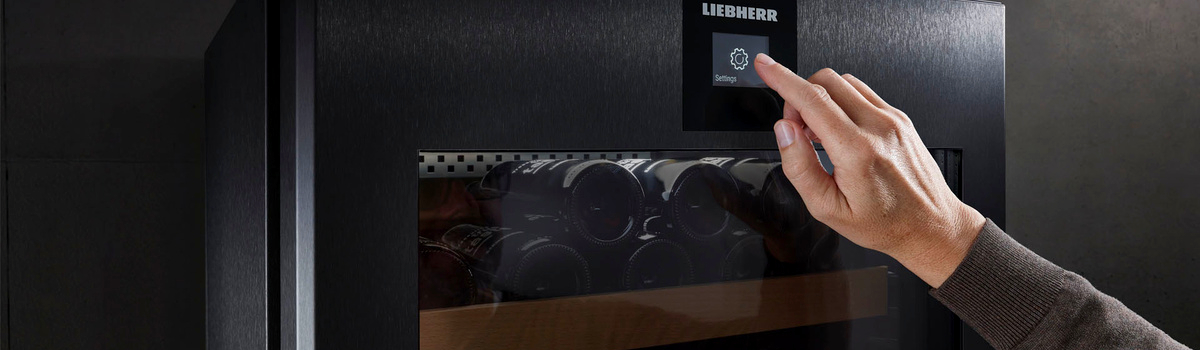
When your Liebherr wine cooler shows Error Code F8, it’s more than just an annoying flashing message on the display. F8 is your unit’s way of saying: “I’m having a serious cooling or drainage problem — check me now.”
On many Liebherr wine cooler models, Error F8 is linked to three main areas: a faulty compressor, a refrigerant leak, or a condensate pump/drainage issue. If it’s ignored, you can end up with warm wine, excess moisture, bad smells, or even damage to the appliance.
This guide walks you through what Error F8 really means, the most common causes, what you can safely check on your own, and how to prevent the code from coming back.
What Liebherr Wine Cooler Error Code F8 Actually Means
Inside your Liebherr wine cooler, several parts work together to keep your bottles at a stable, gentle temperature. When Error Code F8 appears, the control system has detected that one of the key pieces in that chain isn’t doing its job.
In plain language, F8 usually points to:
- A compressor that isn’t starting or running correctly
- A refrigerant issue (low charge, leak, or poor circulation)
- A condensate pump or drainage problem that’s affecting normal operation
On the surface you may just see the code and notice the cabinet warming up, but behind that code is a warning: “Cooling performance is not where it should be. Something important is wrong.”
How F8 Shows Up: Real-World Symptoms
Instead of a list, let’s go through how this looks in everyday use and break it into simple situations.
Temperature Starts Drifting Up
One of the first things most owners notice is the wine cooler just doesn’t feel as cool as it used to. The display might still show a target like 55°F, but when you open the door, the air feels warmer or the bottles don’t feel properly chilled. Over several hours, the actual temperature inside can slowly climb.
Compressor Behavior Feels “Off”
The compressor is the heart of the cooling system. With F8, it may:
Try to start, make a brief humming sound, then shut off. Run for short bursts without really pulling the temperature down. Stay off longer than it should, even though the interior is clearly warm
Sometimes you’ll hear the unit cycling more frequently than usual, or making strained sounds that you never noticed before.
Moisture and Water Issues
Because Error F8 can also be tied to the condensate pump or drainage:
You might see water pooling at the bottom of the cabinet or under the unit. Shelves, the back wall, or the floor of the cooler can feel damp. There may be musty or sour smells, signaling that water isn’t draining correctly
Alarms and F8 on the Display
In many cases, you’ll get: F8 flashing on the display. An audible alarm or beeping until you mute it. A temperature alarm if the interior gets too warm
The wine cooler is basically telling you: “Something in the cooling or drainage system is not working. If you don’t deal with this, your wine is at risk.”
Safe DIY Checks for Error F8 (Before You Call Service)
You can’t fix a sealed-system issue or a failing compressor on your own safely, but you can rule out some simpler things and decide if service is truly needed.
Safety First: Know Your Limits
Before you touch anything, remember: Never open the sealed system or handle refrigerant yourself. Always unplug the wine cooler before removing panels or touching components. If you’re not comfortable working around electrical parts, stop after basic visual checks and call a pro.
Check Power and Basic Reset
Start simple:
Unplug the wine cooler from the outlet, wait about ten to fifteen minutes, and plug it back in. Watch the display and listen to the compressor for the next 20–30 minutes. If F8 returns immediately or the unit clearly struggles to cool, there’s more going on than a small software glitch.
Make sure the cooler is plugged into a proper, grounded outlet (not a long cheap extension cord or an overloaded power strip). Unstable power can stress the compressor over time.
Confirm Ventilation and Airflow
Look at where the wine cooler sits: Is it pushed tightly against the wall or built into a cabinet with almost no breathing room? Are vent grilles covered by furniture, décor, or dust?
Pull the unit out just enough to give it space, and gently vacuum the vents and accessible condenser coils (often at the back or bottom). Better airflow reduces compressor stress and can prevent F8 from recurring due to overheating.
Look for Water and Drainage Problems
Because F8 can be tied to drainage:
Open the door and examine the bottom of the cabinet, corners, and under the unit (if accessible). If you see standing water, wet spots, or a slimy drain channel, the drain may be clogged. Many wine coolers have a small channel at the back that leads to a drain hole.
With the unit unplugged, you can gently clear visible debris from the drain channel using a soft cloth or a cotton swab. If your model uses a condensate pump, listen for unusual noise (buzzing, rattling, or no sound at all when it should be running). A silent pump when water is present may signal a failure that needs professional attention.
Watch How the Cooler Behaves After Your Checks
Once you’ve:
- Reset the power
- Cleared vents and improved airflow
- Checked for obvious water issues
…plug the unit back in, close the door, and let it run. Use a simple thermometer inside to compare the actual temperature with what the display shows over a few hours. If the temperature continues to climb, the compressor runs constantly or barely runs at all, or F8 pops back up, the problem is likely beyond basic DIY.
How to Prevent Liebherr Wine Cooler Error F8 in the Future
Once your F8 issue is fixed, a few simple habits can reduce the risk of seeing it again.
Keep the Unit Breathing
Make sure your wine cooler has the clearance and airflow recommended in the manual. Don’t stuff it into a tight cabinet with zero ventilation, and don’t block vents with decorations, bags, or cleaning supplies.
Clean Condenser Coils and Vents
Every few months, gently: Vacuum dust and lint off the vents. Clean accessible condenser coils (usually at the back or bottom). Cleaner coils mean a cooler, less stressed compressor.
Protect Against Power Problems
If your home has frequent outages or surges, talk to an electrician about: A properly rated surge protector for the wine cooler, or A whole-house surge protection device
Stable power is easier on the compressor and electronics.
Watch for Early Warning Signs
Don’t wait for F8 to appear. Pay attention if: The cooler starts to run much longer than usual. The cabinet feels warmer even though the set temperature hasn’t changed. You see small water puddles or smell musty odors. Catching minor issues early often prevents error codes, spoiled wine, and more expensive repairs.
Quick FAQ: Liebherr Wine Cooler Error Code F8
Is F8 always a bad compressor?
Not always. F8 can mean a compressor that’s struggling, but it might also point to refrigerant issues or a condensate pump/drainage problem that’s affecting overall performance. That’s why it’s important to check airflow, drainage, and basic conditions before assuming the compressor itself is dead.
Can I keep using the wine cooler if F8 shows but it still feels cool?
You might get away with it for a short time, but it’s risky. Error F8 is a signal that cooling or drainage is not working properly. Even if the cabinet feels “okay” today, the temperature can drift out of the safe range and damage your wine. It’s smarter to treat F8 as a problem that needs attention, not just a minor annoyance.
Will a simple reset permanently fix F8?
Sometimes a power reset will clear F8 if it was triggered by a temporary condition, like a brief overheating event or a one-time software hiccup. However, if the code returns, the underlying issue (compressor, refrigerant, or condensate system) is still there and needs to be addressed.
Do I have to replace the entire wine cooler if F8 won’t go away?
Usually, no. Many F8 problems are solved by a targeted repair: fixing a condensate pump, clearing a drain, improving ventilation, or replacing a single component in the cooling system. A professional diagnosis will tell you whether the repair is cost-effective based on the age, condition, and value of your wine cooler.
If your Liebherr wine cooler is showing Error Code F8, take it seriously. Start with safe, simple checks you can do yourself, then involve a professional if the code returns or the unit can’t hold temperature. Handling F8 quickly is the best way to protect your appliance — and your wine collection.