Liebherr Wine Coolers Error Code E1
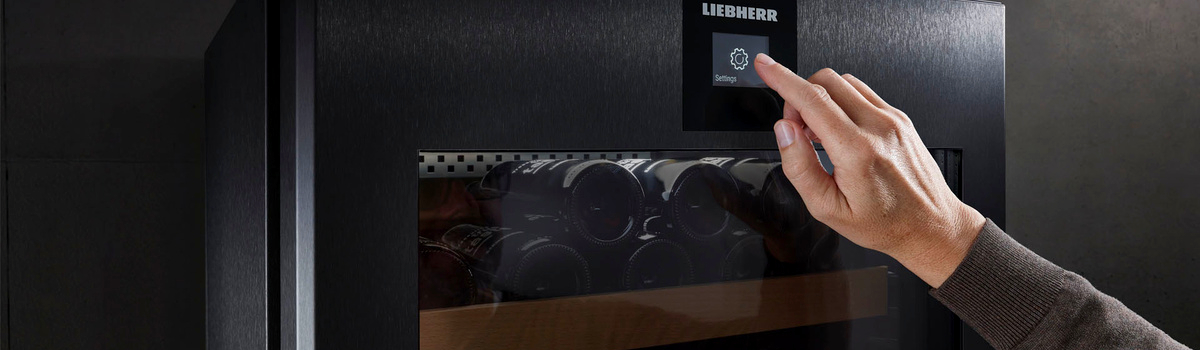
When your Liebherr wine cooler suddenly flashes Error Code E1, it’s more than just an annoying message on the display. This code usually means the control system is no longer getting a clear, reliable signal from the door sensor, or there’s a problem along the path that carries that signal – the wiring or the control board itself.
The good news: E1 doesn’t automatically mean your wine cooler is ruined. In many cases, it’s a fixable issue that starts with simple checks you can do yourself. This guide breaks down what E1 actually means, what causes it, what you can safely try at home, and how to prevent it from coming back.
What Liebherr Wine Cooler Error Code E1 Really Means
At a basic level, Error Code E1 is the wine cooler’s way of saying: “I can’t properly detect what’s happening with the door.”
On many Liebherr wine cooler models, E1 points to one or more of the following:
- Door sensor malfunction – the sensor that tells the control board whether the door is open or closed is faulty or out of position.
- Control board issue – the electronics that read the door sensor signal and react to it are failing or glitching.
- Wiring problem – the wires or connectors between the door sensor and the control board are loose, damaged, or corroded.
The door sensor may seem like a small piece, but it affects interior lighting, alarms, and even how the cooler manages temperature and humidity. That’s why the unit throws a specific error when it can’t trust the door signal anymore.
How E1 Shows Up in Everyday Use
Display and Alarm Behavior
Most people first notice E1 when it appears right on the display. Sometimes it stays solid, sometimes it flashes, and on some models it may be accompanied by beeping or a warning light. Even if the temperature looks fine, the error is telling you the electronics aren’t happy with the door signal.
Door and Interior Light Behavior
A classic sign of a door sensor issue is weird light behavior. The interior light may stay on even when the door is closed, turn off at the wrong time, or flicker as if the door is being opened and closed repeatedly. In some cases, the cooler acts like the door is constantly open, even when you’ve shut it firmly.
Temperature and Cooling Side Effects
Because the control system relies on the door sensor to manage how long the door has been open and how hard the cooler needs to work, E1 can indirectly affect cooling. You might notice temperatures creeping slightly higher than your set point, the unit running more often than usual, or the cooler struggling to stabilize after door openings.
Everyday Annoyances
Beyond the technical side, E1 is simply frustrating. You may hear alarms when nothing seems wrong, see the code appear after you close the door “normally,” or feel like the cooler no longer reacts the same way it used to. All of this points back to one theme: the electronics don’t trust the door signal.
Main Causes of Liebherr Wine Cooler Error E1
- Faulty Door Sensor or Reed Switch
Over time, the small switch or sensor that detects the door position can wear out, get stuck, or lose sensitivity. If the sensor can’t reliably tell “open” from “closed,” the control board flags an error. - Magnet Misalignment in the Door
Many wine coolers use a magnet in the door and a sensor in the cabinet. If the door has been slammed, warped slightly, or the gasket changed, the magnet might not line up correctly with the sensor anymore, causing intermittent or missing signals. - Loose or Oxidized Connectors
The wires running from the sensor to the control board rely on small plug-in connectors. Vibration, humidity, or age can loosen these connections or cause light corrosion on the contacts, interrupting the signal. - Damaged Door Harness or Wiring
Wiring in the hinge area can get pinched, bent, or internally broken as the door opens and closes over the years. A damaged wire in this path can cause the control board to “lose” the door sensor. - Control Board Malfunction
In some cases, the sensor and wiring are fine, but the part of the control board that reads the sensor signal starts to fail. Power surges, heat, or age can slowly damage those electronics and lead to an E1 error.
Safe DIY Steps You Can Try Before Calling for Service
DIY on a wine cooler should always be safe and gentle. You’re not trying to rebuild the electronics – you’re simply ruling out obvious and simple issues before you decide you need a technician.
Step 1: Perform a Proper Power Reset
Start by doing a clean reset. Turn the wine cooler off using the power button if your model has one, then unplug it from the wall outlet. Leave it unplugged for about ten to fifteen minutes. This gives the control board time to fully power down and clear any temporary glitches. After that, plug the unit back in, turn it on, and watch the display. If E1 does not return and the cooler behaves normally for several days, the problem may have been a minor software glitch.
Step 2: Check How the Door Closes
Next, look closely at the way the door closes. Make sure nothing is blocking it – no shelf sticking out, no bottle hitting the door, and no warped gasket folded inwards. Slowly close the door and watch the gap around the seal. The door should close evenly, with the gasket lightly pressing against the frame all the way around. If you have to push hard or lift the door to get it to close, there may be alignment issues affecting the door sensor position.
Step 3: Inspect the Door Gasket and Magnet Area
Many Liebherr wine coolers use a small magnet embedded in the door to trigger the sensor. Carefully feel along the top or side edge where the sensor is likely located. If you see any damage, missing trim, or signs the door was previously repaired in that area, the magnet may not be lining up properly. Gently cleaning the area around the gasket and frame with a soft cloth can also help if dust or debris is preventing a tight seal.
Step 4: Observe When E1 Appears
Pay attention to the pattern. Does E1 show up as soon as the cooler powers on? Does it appear only after you open and close the door a few times? Does it seem to trigger when the door is closed gently vs. firmly? These details matter. If E1 always appears right after a door movement, that points strongly toward a sensor, alignment, or wiring issue in the door.
Step 5: Light Visual Check of Wiring (Only If Accessible and You’re Comfortable)
On some models, you may be able to remove a small hinge cover or interior trim piece to see the wiring that runs from the door into the cabinet. If you can access this without forcing anything and only after the unit is unplugged, take a gentle look. You’re simply checking for obvious issues like a wire that looks crushed, cut, or yanked out of a connector. If everything looks clean and intact, put the cover back on and restore power.
If at any point you feel unsure, stop. It’s better to leave deeper inspection to a professional than to damage a harness or panel by accident.
When DIY Is Not Enough and You Need a Technician
Repeating E1 After Resets
If the E1 error comes back quickly after a proper reset and your door closes normally, it’s a sign that something more than a simple glitch is going on. At this stage, the underlying problem is likely in the door sensor itself, the wiring, or the control board.
Visible Damage or Burn Smells
If you ever see burnt plastic, exposed wires, or smell something that resembles burnt electronics, do not keep using the wine cooler. Unplug it and arrange for service. Continuing to run it in that condition can be unsafe and may cause further damage.
Cooling or Lighting Behavior Gets Worse
If E1 is accompanied by worsening cooling performance, lights that won’t behave, or alarms that won’t go away, it’s time for a professional diagnosis. These are signs the control system is struggling and may not be able to protect your wine the way it should.
A trained technician can test the door sensor, check continuity through the harness, and verify whether the control board is reading the signal correctly. That kind of testing is hard to do accurately without the right tools and experience.
Preventive Tips to Reduce the Chance of E1 Returning
- Close the Door Smoothly, Not Hard
Regular slamming of the door can slowly knock the magnet and sensor out of alignment, or stress the wiring in the hinge. A gentle, firm close is all it needs. - Keep the Gasket Clean and Flexible
Wipe the door gasket periodically with a mild cleaner and soft cloth. This keeps the seal soft and helps the door sit correctly against the frame, which supports proper sensor alignment. - Avoid Overloading or Blocking the Door
Tall bottles or crowded shelves can press against the door from the inside. That pressure can twist the door slightly and affect how the sensor and magnet line up. Make sure bottles don’t lean into the glass or door panel. - Protect the Electronics from Power Surges
Plug the wine cooler into a properly grounded outlet and consider using a quality surge protector designed for appliances. Power spikes don’t just hurt compressors; they can also damage sensors and control boards. - Check Door Alignment After Moving the Unit
If the wine cooler has been moved, relocated, or adjusted on its leveling feet, take a moment to re-check how the door closes and seals. Correcting a slight tilt or twist early can prevent repeated E1 errors later.
Quick FAQ: Liebherr Wine Cooler Error Code E1
Is E1 always the door sensor?
Not always, but the door sensor is the most common suspect. E1 can also be triggered by wiring damage in the hinge area or by a control board that can’t read the sensor properly anymore.
Can I keep using the cooler with E1 showing?
You might be able to for a short time, especially if cooling still seems okay, but it’s not ideal. The unit may not react properly when the door is open or closed, which can affect temperature stability and alarms. It’s better to address the issue instead of ignoring the code.
Will a simple reset fix E1 permanently?
Sometimes it will, especially if the error was caused by a one-time glitch or minor power event. If E1 keeps returning after resets and normal door use, there’s likely a real hardware issue that needs repair.
If your Liebherr wine cooler is showing Error Code E1, think of it as an early warning, not an automatic death sentence. Start with safe checks: a proper reset, careful door inspection, and basic alignment and wiring observations. If the code continues to come back or the cooler starts acting more unstable, it’s time to let a professional track down whether the door sensor, wiring, or control board is the real problem – and get your wine back to a safe, stable temperature.