Liebherr Wine Coolers Error Code E7 or E8
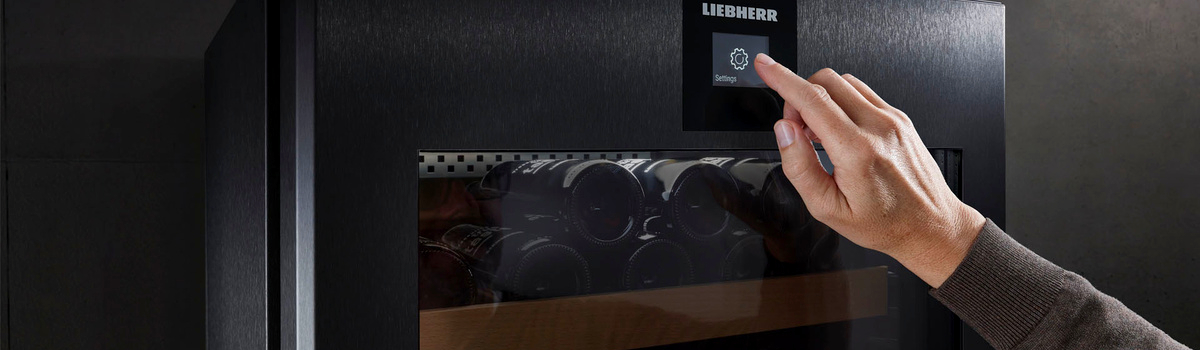
When your Liebherr wine cooler suddenly shows Error Code E7 or E8, it’s more than just an annoying message on the display. These codes usually point to a problem in the defrost system — either the defrost heater itself or the defrost timer/control that tells the system when to defrost.
Because wine needs a stable, controlled temperature, any error in this system can slowly affect cooling performance, temperature consistency, and even the long-term quality of your collection. This guide explains what E7 and E8 really mean, what causes them, what you can safely check on your own, and how to prevent them from returning.
What Liebherr Wine Cooler Error Codes E7 and E8 Actually Mean
E7 vs. E8 in Simple Terms
On many Liebherr wine coolers, Error Code E7 or E8 indicates the control board detects a malfunction in the defrost circuit. That usually means one of two things:
- The defrost heater (the part that melts frost off the evaporator) isn’t working correctly.
- The defrost timer or control function (the part that decides when to defrost and for how long) is not behaving as expected.
Why the Defrost System Matters for Wine
Your wine cooler doesn’t just cool air — it also has to manage moisture and frost on the evaporator coil. If frost is allowed to build up:
- Airflow through the coil drops.
- The cooler struggles to maintain set temperatures.
- You may see warm spots, cold spots, or constant temperature swings.
Error codes E7/E8 are the cooler’s way of telling you:
“Something in my defrost system isn’t doing its job. If we don’t fix this, cooling will suffer.”
Typical Symptoms You May Notice with E7 or E8
When E7 or E8 appears, you’ll often see more than just the code on the display. Some of the most common signs include:
- The wine cooler still runs, but has trouble reaching or holding the set temperature.
- You may notice frost building up on the rear panel or around the evaporator area.
- The unit might run longer and louder than usual, trying to compensate for reduced airflow.
- Interior temperatures may drift slowly upward, especially in upper or lower zones.
- The cooler may trigger frequent alarms or error beeps, even when doors are closed.
Sometimes the unit will still “seem” okay for a while, but if the defrost system isn’t actually doing its job, performance will continue to decline and the error will keep coming back.
Main Causes of Error E7 or E8 in Liebherr Wine Coolers
Defrost Heater Problems
The defrost heater is responsible for melting ice off the evaporator. When it fails or becomes unreliable:
Frost builds up faster than it can melt. The coil gets insulated by ice. Air can’t move freely through the cooling system.
The heater can fail outright (open circuit), work intermittently, or be restricted by wiring or connector issues.
Defrost Timer or Electronic Control Issues
On many modern wine coolers, there isn’t a separate mechanical “timer” — instead, the main control board or an electronic timer function decides when to run defrost. If that logic fails or becomes corrupted:
Defrost cycles may not start at all. Defrost may run too short to clear ice. The board may misread feedback from sensors and flag E7 or E8.
This is often a more advanced problem and may require professional diagnosis.
Sensor and Feedback Problems
Even if the heater and timer are fine, temperature sensors or feedback signals can cause the control board to think the defrost cycle didn’t run correctly. A faulty sensor, loose connector, or damaged wire in the defrost circuit can trigger the same E7/E8 error.
Power and Voltage Events
Power surges, brownouts, and repeated rapid on/off cycles can disrupt the control logic. In some cases, a power issue doesn’t permanently damage parts but leaves the board in a confused state, which can lead to E7/E8 until the system is properly reset.
Safe DIY Checks Before You Call a Technician
You don’t need to become a refrigeration tech overnight, but there are a few safe checks you can do before paying for service. The goal is to rule out simple issues and get a better sense of what’s going on.
1. Do a Full Power Reset
A proper reset can clear minor software glitches:
Turn the wine cooler off and unplug it from the outlet (or switch off the breaker). Leave it unplugged for 10–15 minutes so the electronics fully discharge. Plug it back in or turn the breaker on. Set your desired temperature again and watch for E7/E8 to return.
If the error disappears and the cooler runs normally for days, it may have been a one-time control glitch.
2. Check Basic Airflow and Frost Buildup
Without opening sealed panels or touching internal wiring, you can:
Look at the back interior wall or evaporator cover (if visible). Check for heavy frost or a solid ice sheet forming behind or around that area. Confirm the air vents and fan openings aren’t blocked by bottles, boxes, or shelves jammed too tightly.
If airflow is blocked or frost buildup is severe, the cooler will struggle even if the heater is technically working.
3. Confirm Door Seals and Usage Habits
Sometimes what looks like a defrost failure is made worse by warm, humid air entering the cabinet:
Inspect the door gasket all the way around for gaps, cracks, or areas not touching the frame. Make sure the door closes fully and isn’t held open by a shelf, tray, or bottle. Think about usage: frequent long door openings can add more moisture and push the defrost system harder.
These checks don’t “fix” a failed heater or timer, but they help reduce strain and can prevent the problem from escalating.
Preventive Tips to Avoid Liebherr E7/E8 in the Future
Even if your wine cooler has already shown E7 or E8, you can take steps to reduce the chance of seeing those codes again:
- Use a stable, grounded outlet – no cheap extension cords or overloaded power strips.
- Consider a high-quality surge protector if your home has frequent power issues.
- Keep door openings short and avoid constantly “window shopping” with the door open.
- Don’t pack bottles so tightly that you block air vents or fans inside the cabinet.
- Periodically check and gently clean the door gasket so it seals properly.
- Follow the manufacturer’s guidance for defrosting if you ever see significant frost buildup.
- Make sure the wine cooler has proper ventilation space around it so components don’t overheat.
Good habits won’t prevent every part failure, but they keep the defrost system under less stress and help the electronics last longer.
Quick FAQ: Liebherr Wine Cooler Error Codes E7 and E8
Is E7 or E8 always the defrost heater?
Not always. These codes usually point to a defrost-related problem, but that doesn’t automatically mean the heater itself is dead. The issue could be in the heater, the timer/control logic, a sensor, or even wiring and connectors in the same circuit. That’s why it’s smart to start with simple checks and then let a professional confirm the real cause.
Can I keep using the wine cooler if it still feels cold?
You might be able to use it for a short time, but it’s risky to ignore E7 or E8. If the defrost system isn’t working correctly, frost will build up, airflow will drop, and temperature stability will suffer. For wine, where consistency matters, that’s not a good situation. It’s better to address the error before it seriously affects performance.
Will a power reset fix E7 or E8 permanently?
Sometimes a full power reset clears the code if the cause was a temporary software glitch or a minor power event. If E7 or E8 returns after a few cycles or days, that suggests there is a persistent underlying issue with the defrost hardware or control system that needs proper repair.
Do I need to replace the whole wine cooler if E7 or E8 won’t go away?
Usually, no. Most of the time, these errors can be resolved by replacing a specific part — such as the defrost heater, a sensor, or a control board — or correcting a wiring or connector problem. A full replacement typically only makes sense if the cooler is older, has multiple issues, or the repair cost is close to the price of a new unit.
If your Liebherr wine cooler is showing Error Code E7 or E8, think of it as an early warning that the defrost system needs attention. Start with safe checks like a proper reset, airflow inspection, and door gasket review. If the codes keep coming back or cooling performance drops, it’s time to bring in a professional so your wine stays exactly where it should be: at a stable, reliable serving and storage temperature.