Why Is My Liebherr Refrigerator Leaking Water Onto the Floor?
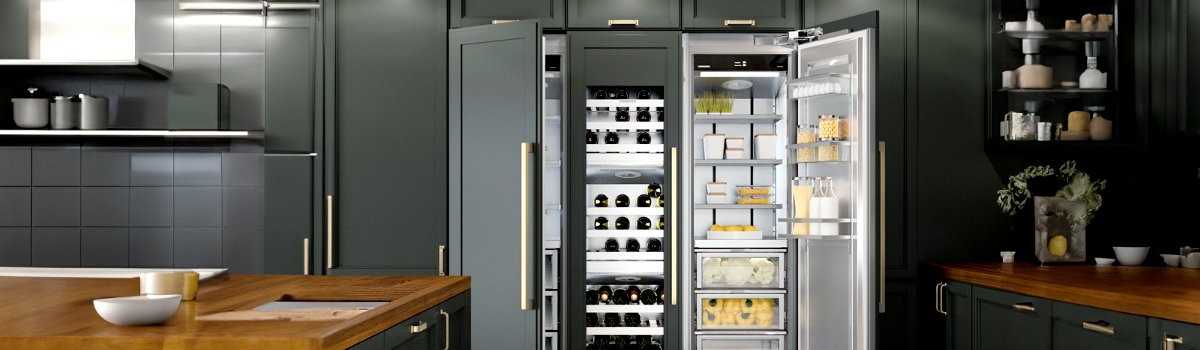
You step into the kitchen, hit a cold puddle with your socks, and there it is: water spreading out from under your Liebherr fridge. No broken pipe, no spilled drink – just a slow, annoying leak from an expensive appliance that’s supposed to be “set it and forget it.”
The good news: in most cases this isn’t a “your fridge is dead” situation.
A leak like this usually means:
The fridge is making water like it’s supposed to – but that water isn’t draining where it should.
On Liebherr refrigerators, water on the floor almost always comes down to a few repeat offenders: a clogged or frozen defrost drain, a problem with the drain pan or drain tube, an issue with the ice-maker water line, or door seals letting warm, wet air inside
This page walks you through what’s really going on, what you can safely try yourself, and how to keep it from happening again – in normal, everyday language.
What a leak usually means on a Liebherr
A modern Liebherr does a few things that naturally create water:
- It defrosts the coils so they don’t ice over.
- It condenses moisture from warm air that gets into the fridge.
- It may have an ice maker or water dispenser with a supply line.
Normally, all that water runs through a small drain hole and tube, then into a drain pan near the bottom of the unit. The heat from the compressor and condenser coils evaporates it quietly.
When you see water on the floor, one of three things is usually happening:
- Water can’t get through the drain (clogged or frozen).
- Water gets through the drain, but can’t stay in the pan (cracked, dislodged, or overflowing).
- Water is escaping before it ever reaches the drain (leaking water line, bad seal, or a leveling problem).
Most common reasons your Liebherr is leaking onto the floor
Here are the big patterns techs and service guides keep seeing over and over:
- A clogged or frozen defrost drain in the fridge or freezer
- A drain pan or drain tube that’s cracked, out of place, or overwhelmed
- A leaking ice-maker / water supply line at the back of the fridge
- Door gaskets that don’t seal well, letting in lots of warm, humid air
- A fridge that’s not level, so water runs the wrong way during defrost
Let’s break those down in plain language.
1. Clogged or frozen defrost drain
This is by far the most common reason a fridge leaks.
During defrost, meltwater is supposed to run into a small drain opening at the back of the fridge or freezer, then down a tube into the pan. Over time that opening can clog with crumbs, sludge, or a plug of ice. When that happens, water backs up inside the compartment instead of going down the tube. It freezes into a block or “lake” at the bottom… and eventually overflows onto your kitchen floor.
What this usually looks like
- A thin sheet of ice or a frozen “puddle” at the very bottom of the freezer
- Water or ice under the crisper drawers in the fresh-food section
- Dirty streaks or dried water marks on the back wall
What you can safely do
You’re not rebuilding the fridge — you’re just helping it drain again.
Unplug the refrigerator, remove the bottom drawers, and look for a small drain hole or channel at the back. Use warm (not boiling) water in a squeeze bottle, turkey baster, or large syringe to gently flush the drain. Keep going until water flows freely down and you can hear it dripping into the pan below.
Skip the knife or screwdriver “ice-chipping” tricks; that’s how people puncture plastic parts or damage the drain tube and turn a simple clog into a real repair.
If the drain keeps freezing up again after you clear it, that usually points to a deeper problem with the defrost system or door seals and is a good time to bring in a technician.
2. Drain pan or drain tube problems
All of that defrost water is supposed to end up in a drain pan underneath the fridge, where it quietly evaporates. If the pan is cracked, warped, knocked out of position, or overflowing because there’s too much water, it will spill onto the floor instead of holding it.
You often see this when the inside of the fridge looks “pretty normal,” but there’s a consistent puddle under the front or back of the unit. The water shows up on the floor, not inside the compartments.
What to look for
- Puddles under the fridge even when you don’t see water inside
- A pan that isn’t sitting flat in its bracket
- Obvious cracks, warping, or heavy sludge in the pan
With the fridge unplugged, remove the lower front kick plate or check from the rear (depending on your model) to find the pan. If it’s clearly damaged, replacement is usually the right move — it’s a simple part, and trying to glue a cracked pan often fails later and brings the leak back.
3. Ice maker or water line leaks
If your Liebherr has an ice maker or water dispenser, there’s a small water line connected to the back of the fridge. Even a tiny problem there can leak slowly for days.
Technicians constantly find the same kinds of things:
- A compression fitting that has loosened over time
- A plastic water tube with a tiny crack or pinhole
- A line that got kinked or crushed when the fridge was pushed back
With the fridge unplugged, carefully slide it away from the wall and follow the water line from the wall valve to the fridge connection. If you see active dripping, wet spots, or obvious crusty buildup right at a joint, that’s a strong sign the line or fitting needs to be replaced. Tightening a hand-tight fitting a little is okay; doing full line or valve work is usually better left to a pro so you don’t end up with a bigger leak under pressure.
4. Door seals letting in too much warm air
Sometimes the leak is just too much moisture building up inside.
If the door gaskets don’t seal properly, warm, humid air from your kitchen keeps sneaking into the fridge or freezer. That extra moisture turns into frost and ice on the coils and walls. Then, when the unit goes into defrost, you suddenly have far more meltwater than the system was designed to handle. Even a small restriction in the drain can then send water out over the edge.
Simple checks you can do
- Look along the gasket for cracks, tears, or spots where it’s pulling away
- Close a piece of paper in the door and gently tug — it should hold with light resistance
- Wipe gaskets with warm, soapy water and dry them so they’re clean and flexible
If the gasket is really torn, hardened, or badly deformed, that’s a part that should be replaced. But even just cleaning and checking the seal helps cut down on extra frost and water.
5. Fridge not level
This one sounds minor, but it matters: if the fridge is tilted forward, defrost water is more likely to run toward the front and out of the cabinet instead of toward the drain and pan.
Most fridges are designed to sit very slightly tilted back so that:
- Doors swing shut on their own
- Water flows toward the rear drain channel
If your Liebherr rocks forward, the doors don’t close easily, or the front clearly sits lower than the back, leveling the feet or rollers can make a big difference in where water ends up.
DIY checklist: what you can safely try yourself
Here’s a simple, safe order to follow before you call for service:
Unplug the fridge.
Any time you’re working near water, plumbing, or internal parts, cut the power first.
Check inside for water or ice.
Look under the fridge drawers and at the bottom of the freezer. Standing water or a frozen “plate” usually means a drain issue.
Clear the defrost drain.
Find the small drain hole at the back (inside the fridge or under a freezer panel). Gently flush it with warm water using a baster, squeeze bottle, or large syringe until water flows freely.
Inspect the door seals.
Wipe gaskets clean, look for gaps, and make sure nothing is blocking the doors from closing fully.
Carefully pull the fridge out and check the back.
Look for dampness on the floor, the water line, and around any fittings. If you see drips or white mineral stains on the line or valves, that’s a likely leak point.
Look at the drain pan.
From the front (behind the kick plate) or the back, see if the pan is cracked, overflowing, or out of position.
Level the fridge.
Use the adjustable feet so the unit sits level left-to-right and slightly tilted back front-to-rear.
If, after all of this, the fridge keeps leaking or the leak comes back quickly, you’ve gone as far as a homeowner reasonably should.
How to prevent future leaks from your Liebherr
Once the puddles are gone, a few simple habits help keep them from coming back:
- Wipe up spills inside the fridge instead of letting them run to the back
- Don’t overpack shelves or block the rear wall and drain area
- Keep door gaskets clean and fix anything that stops the doors from closing smoothly
- Check under and behind the fridge once or twice a year for early damp spots
- Re-level the fridge any time it’s moved or adjusted
Handled early, most Liebherr leaks are small problems, not big disasters. A bit of routine care and quick action when you first see water on the floor will save you a lot of damage, stress, and “mystery puddle” chasing later.