Liebherr Refrigerator Error Code E2
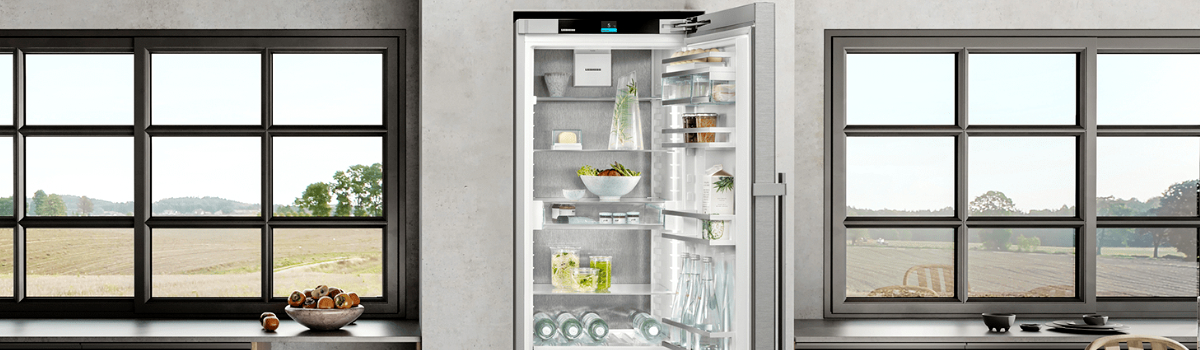
Seeing Liebherr refrigerator error code E2 on the display can be annoying and a little stressful, especially if you’re worried about food getting warm. The good news is that E2 is usually not about a refrigerant leak or a dead compressor. Instead, it points to a temperature sensor problem – either the sensor itself is defective, or there’s an issue with the wiring that connects it to the control board.
This guide explains in plain American English what E2 really means, what typically causes it, which safe DIY steps you can try at home, and how to prevent temperature sensor issues in the future. We’ll mix clear text sections with short lists so the page is easy to scan and not a wall of bullets or a giant block of text.
What Liebherr Error Code E2 Actually Means
The Role of the Temperature Sensor
Inside your Liebherr refrigerator, temperature sensors act like “thermometers” for the control board. They measure how cold it is in different zones (fresh food compartment, freezer, sometimes special drawers) and send that information to the main control board. The board then decides when to turn the compressor, fans, and defrost cycles on or off.
When you see Error Code E2, the refrigerator is basically telling you:
“I can’t rely on one of my temperature sensors. It’s giving no signal, a wrong signal, or a signal that doesn’t make sense.”
Why the Control Board Triggers E2
The control board constantly checks whether the sensor readings are within a reasonable range. If a sensor:
- Reads way out of normal range (for example, colder or hotter than physically possible),
- Doesn’t change at all even while the fridge is clearly cooling or warming, or
- Stops communicating because of a broken wire or bad connection,
the board flags this as a sensor-related error, and on many Liebherr models that shows up as E2.
In practice, that often means the fridge may run too long, not long enough, or turn cooling off at the wrong time – which is why getting E2 addressed is important for food safety.
Typical Symptoms When Liebherr Error Code E2 Appears
When E2 shows up, you’ll often notice a mix of electronic and temperature-related symptoms. Homeowners commonly report things like:
- E2 displayed on the panel – sometimes steady, sometimes flashing.
- Temperatures that don’t match the setting – the fridge or freezer feels warmer or colder than the display suggests.
- Unit running constantly or not enough – the compressor may run almost non-stop or shut off too early.
- Unusual temperature swings – food freezes in the fresh food section or starts to soften in the freezer.
- Inconsistent alarms – door or temperature alarms may sound even when the doors are closed and nothing looks obviously wrong.
If you’re already noticing food getting too soft, partially frozen in the wrong compartment, or generally out of the normal safe range, treat the situation as urgent. Keep the doors closed as much as possible and start working through the safe steps below.
Main Causes Behind Liebherr Error Code E2
1. A Defective Temperature Sensor
The most straightforward cause is a failed sensor. Over time, components inside the sensor can drift out of spec or break completely. Heat, moisture, age, and manufacturing tolerances can all contribute.
When the sensor fails, its resistance (what the control board reads) no longer matches the actual temperature, or it becomes an open circuit. The control board then decides, “this doesn’t add up,” and stores the E2 error.
2. Wiring or Connector Problems
The sensor has to send a clean signal back to the control board through wires and connectors. If:
- The wiring is pinched, cut, or damaged behind a panel,
- A connector is loose, not fully seated, or oxidized,
the control board may see random or missing readings and blame the sensor. In reality, the sensor itself may be fine, but the signal isn’t reaching the board correctly.
3. Moisture and Ice Around the Sensor
In some cases, ice buildup or condensation around the sensor can cause it to read incorrectly. If the sensor is buried in frost, it may tell the control board the compartment is colder than it really is, or fail to respond as temperatures change.
This doesn’t always create permanent damage, but it can trigger an E2 code until the airflow and frost situation is corrected.
4. Control Board Issues (Less Common but Possible)
While E2 usually points to the sensor or wiring, occasionally the main control board is the real problem. A damaged trace or component on the board can make it “think” the sensor is bad. This is rarer, but it’s one of the reasons professional diagnostics can be useful if basic checks don’t fix the issue.
Safe DIY Steps You Can Try Before Calling for Service
There are a few safe, homeowner-friendly things you can try to see if E2 is a simple issue or something that needs a technician. Always use common sense and stay within your comfort zone.
Start with a proper power reset
Unplug the refrigerator from the wall outlet (or switch off the dedicated breaker) and leave it fully powered off for about 10–15 minutes. This gives the control board time to discharge and reset. After that, plug it back in, wait a few minutes for it to start up, and check if the E2 error returns. Sometimes, a minor software glitch or temporary sensor misread disappears after a clean reboot.
Check the actual temperature with a simple fridge thermometer
Place a basic refrigerator thermometer inside the fresh food compartment and, if possible, in the freezer. Compare the real temperatures to what the display is showing. If the display says everything is okay but the thermometer shows it’s way off, that supports the sensor-error idea and helps you explain the issue clearly if you call for service.
Look for obvious frost or ice buildup around sensor areas
On some Liebherr models, temperature sensors are located near air vents or behind interior panels. Without tearing the unit apart, look for heavy frost, ice sheets, or blocked vents near where cold air comes out. If the fridge is packed and blocking airflow, or ice is forming around vents, carefully rearrange food and consider a controlled defrost (power off, doors slightly open, towels around the base) to remove excess ice.
Confirm power and outlet quality
While E2 is mainly about sensors, unstable power can confuse readings. Make sure the fridge is plugged directly into a properly grounded outlet, not a cheap extension cord or overloaded power strip. If you’ve had flickering lights or power problems in the home, using a good surge protector designed for refrigerators can help protect the electronics.
If E2 clears and doesn’t return after these steps, it may have been a one-time event. If it comes back repeatedly, it’s time to think about deeper diagnosis.
When DIY Stops Being a Good Idea
Signs You Should Call a Professional
There’s a point where continuing to “experiment” with DIY stops being helpful and starts to risk your food and the appliance. You should contact a Liebherr-experienced refrigerator technician if:
- The E2 code returns quickly after a proper power reset.
- The refrigerator or freezer can’t hold safe food temperatures, even after you’ve checked airflow and frost.
- You suspect damaged wiring but can’t safely access or test it.
- You’re not comfortable removing any interior or back panels.
At that stage, a professional can test the sensor’s resistance, check wiring continuity, and confirm whether the control board is reading correctly. They can also safely replace the temperature sensor or harness if needed.
Why “Parts Guessing” Can Get Expensive
It might be tempting to just order a sensor and hope that fixes E2, but on modern Liebherr units, parts are not cheap. If a connector, harness, or control board is the real problem, replacing the sensor alone won’t solve anything. Proper diagnosis helps avoid that expensive guessing game.
Preventive Tips to Reduce the Chance of E2 in the Future
Once the E2 issue is fixed, a few simple habits can help protect the temperature sensors and electronics going forward:
Avoid overpacking the refrigerator and blocking vents
Good airflow helps keep sensors reading correctly. If cold air can’t circulate, certain spots may get too cold or too warm, leading to strange readings and overworking the system.
Keep door openings reasonable
Constantly opening the doors or leaving them slightly ajar lets warm, humid air in. That can create condensation and frost around sensors and vents over time.
Defrost and clean as needed
If you notice the beginnings of frost buildup on walls or near vents, deal with it early. A light, controlled defrost and a careful wipe-down can prevent heavy ice that affects sensors.
Protect the appliance from power problems
Power surges and unstable voltage are not friendly to control boards or sensor circuits. If your area has frequent storms or flickering power, consider a quality surge protector rated for refrigerators or talk to an electrician about whole-home surge protection.
Schedule professional maintenance in demanding environments
In hot climates, small kitchens with poor ventilation, or homes where the fridge is constantly loaded and used heavily, periodic professional check-ups can catch small issues before they turn into repeated error codes.
Quick FAQ: Liebherr Error Code E2
Does E2 always mean the sensor itself is dead?
Not always. E2 means the temperature reading is not trustworthy from the control board’s point of view. That can be due to a truly bad sensor, but it can also come from wiring issues, loose or oxidized connectors, heavy frost around sensor areas, or less often, a problem on the control board.
Is it safe to keep using the fridge with E2 showing if it still feels cold?
It’s risky. Even if it feels cold now, the fridge may not be regulating its temperature correctly. You could gradually drift into unsafe temperature ranges without a clear warning. If E2 is present, keep an eye on real temperatures with a thermometer and treat it as something that should be resolved soon, not ignored.
Will a reset fix E2 permanently?
Sometimes a full, proper reset clears E2 for good if it was just a temporary glitch or minor reading error. But if the error returns regularly or comes back after every power event, there’s likely a real sensor, wiring, or control board issue that needs repair.
Do I have to replace the whole refrigerator because of E2?
No. A communication or sensor error doesn’t automatically mean the entire unit is done. Many E2 cases are resolved with a sensor replacement, a wiring repair, or fixing a localized problem like frost or a bad connector. A qualified technician can help you decide whether a targeted repair is worth it or if, based on age and overall condition, replacement makes more sense in the long run.
If your Liebherr is showing Error Code E2, start with the simple, safe checks: a proper reset, airflow and frost inspection, and confirming actual temperatures with a thermometer. If the code keeps coming back or cooling becomes unstable, that’s your sign to bring in a professional and protect both your food and your refrigerator from a bigger problem.