Liebherr Refrigerator Error Code NA / NR
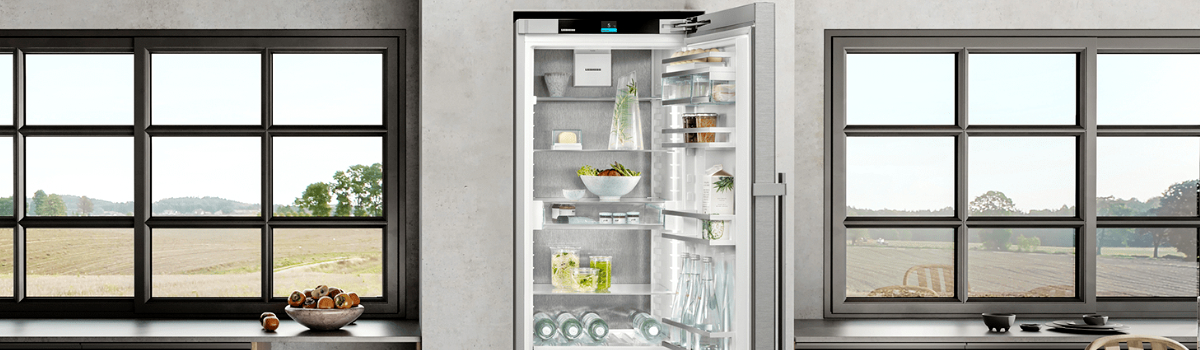
When your Liebherr refrigerator suddenly flashes Error Code NA or Error Code NR, it’s basically telling you one thing: “The temperature inside has been too high for too long.”
This usually happens after a power loss, a door being left open, or a situation where cold air has been escaping and the fridge simply couldn’t keep up. Sometimes it’s a one-time event and the unit recovers. Other times it’s a warning that there’s an ongoing cooling or sealing problem you need to fix.
In this guide, we’ll walk through what NA / NR really means, the most common causes, what you can safely check and fix yourself, and how to prevent this error from coming back.
What Liebherr Error Code NA / NR Actually Means
Error codes NA and NR are high-temperature alarms. The appliance has noticed that the temperature inside stayed too warm for a longer period than the control considers safe for food storage.
In real-world language, this usually means one of a few things happened:
- The refrigerator lost power for several hours.
- The door was not fully closed (often slightly open at the top or bottom).
- The door gasket isn’t sealing correctly, so cold air keeps leaking out.
- The system is struggling to cool because of a problem with the compressor, fans, or airflow.
The refrigerator doesn’t just react to a quick warm-up from opening the door to grab milk. NA / NR appears when it senses that the overall temperature stayed high long enough to put your food at risk.
Main Reasons Why Your Liebherr Shows NA / NR
Power Loss or Long Outage
One of the most common causes of NA / NR is a power interruption. If your Liebherr was without power for several hours—during a storm, a blown fuse, or a tripped breaker—the internal temperature will rise. When power returns, the fridge will start cooling again, but it will also log and show that the temperature was too high for too long.
Door Left Open or Not Fully Closed
Another everyday cause is surprisingly simple: the door wasn’t fully closed. A large item in the door bin, a pan sticking out, or kids grabbing snacks and not pushing the door all the way can leave a small gap. Even a small gap is enough to let cold air out and warm air in, which will eventually trigger NA / NR if it goes on long enough.
Worn or Damaged Door Gasket
The door gasket (the flexible rubber seal around the door) has one job: keep the cold in and the warm air out. If it’s torn, warped, dirty, or no longer sitting flat against the cabinet, air leaks will happen. Over time, this can cause the interior temperature to rise and stay high, especially in warmer rooms or during summer.
Overloaded or Blocked Airflow
If the refrigerator or freezer sections are packed too tightly, or if vents are blocked, cold air cannot circulate freely. The compressor may run, but the temperature in some areas can stay higher than it should. The control doesn’t care if only one corner is warm; if overall temperatures stay high, NA / NR can appear.
Cooling System Struggling (Compressor or Fans)
If the compressor is not running correctly, the condenser coils are clogged with dust, or fans are not moving air, the system may never get back to proper temperature after a warm event. In that case, the error code is not just about a door or outage—it’s a sign the cooling system needs attention.
Quick DIY Checklist to Clear NA / NR and Stabilize Temperature
Before assuming there’s a serious failure, you can go through a few simple, homeowner-friendly steps.
1. Confirm the Door Is Fully Closed and Sealing
Make sure nothing is obstructing the door:
- Look for containers or bottles sticking out of shelves or door bins.
- Check that drawers are fully pushed in and not hitting the door from the inside.
- Gently close the door and listen for a solid, even seal all the way around.
If the door closes more easily after rearranging items, that may have been the main cause.
2. Inspect the Door Gasket
Run your eye and your hand along the entire gasket:
- Look for tears, cracks, or areas where the gasket is warped.
- See if there are crumbs, sticky spills, or grease on the gasket or the cabinet surface where it meets.
- Clean the gasket with warm, mild soapy water and a soft cloth, then dry it.
After cleaning, close the door again and check that the seal feels tighter. A clean gasket can make a noticeable difference in how well the door seals.
3. Check the Temperature Setting and Give It Time
Verify that your temperature settings haven’t been accidentally changed to warmer levels. Once you confirm the settings, give the refrigerator time to pull the temperature down again:
- Avoid opening the door repeatedly “to check” how cold it is.
- Allow several hours of undisturbed running time after a power outage or warm event.
If the unit is working properly, you should feel a noticeable improvement in cooling after it has time to recover.
4. Clear the Alarm and Monitor
Most models will let you acknowledge or mute the high-temperature alarm. After you’ve closed the door properly, cleaned the gasket, and confirmed settings:
- Clear or mute the NA / NR alarm according to your user manual.
- Place a simple fridge thermometer on a middle shelf and one in the freezer if you have them.
- Check the temperature again a few hours later.
If temperatures come back into a normal range and stay there, the error was likely tied to a one-time event like a door left open or a power loss.
Deeper Homeowner Checks (If You’re Comfortable)
If NA / NR keeps coming back, there are a few more things you can look at without opening sealed systems or dealing with refrigerant.
Condenser Coils and Ventilation
Choose a time when you can safely pull the refrigerator out from the wall. Check the condenser coils (often on the back or behind a lower front grille) and the surrounding area. If dust and lint have built up heavily, the system can’t release heat efficiently, and the interior stays warm longer than it should. Vacuuming or carefully brushing away that dust can help cooling performance.
Also make sure the appliance has enough space around it for air to circulate—pushing it too tightly into a cabinet or wall can trap heat and stress the cooling system.
Listening to the Compressor and Fans
Stand near the fridge and listen. You should hear a normal cycle of the compressor turning on and off and interior or condenser fans moving air. If the compressor never seems to run, or fans are silent when the unit clearly isn’t cold enough, that suggests a cooling issue beyond just a warm incident.
If any of this makes you uneasy or you’re not sure what you’re hearing, it’s better to stop and call a professional rather than guess.
When DIY Is Not Enough and You Need a Technician
There’s a point where continuing to “wait and see” can cost you food and time. You should consider professional service if:
- The interior temperature stays warm or only improves slightly, even after hours with the door fully closed.
- NA / NR keeps reappearing every day or every few days even when you’re sure the door is closed and the gasket is clean.
- You notice ice cream and frozen foods repeatedly softening and refreezing.
- The compressor is extremely hot to the touch, makes unusual noises, or doesn’t seem to run at all.
- You’ve cleaned coils, checked seals, and followed the basic steps, but the fridge still struggles to cool.
At that stage, you may be dealing with a weak compressor, refrigerant issue, or faulty fan or sensor, which are not DIY jobs for most homeowners.
Preventive Tips to Avoid NA / NR in the Future
Make Door Habits a Priority
Get in the habit of closing the door firmly every time. If you have children, explain why the fridge alarm matters and show them how to check that the door is actually shut. When loading groceries, try not to leave the door standing open for long stretches—work in smaller batches if needed.
Keep the Gasket Clean and Healthy
Treat the gasket as a key part of the appliance, not just a piece of rubber. Wipe it down regularly with warm soapy water, remove crumbs or spills, and check for damage. A small tear or warped corner is easier and cheaper to fix early than later when it has caused repeated high-temperature events.
Don’t Block Vents and Overstuff Shelves
Arrange food so that air can move freely:
- Leave a little space around the air vents on the back or sides.
- Avoid packing every inch of space; some open areas allow cold air to circulate.
This helps the refrigerator cool evenly and recover faster after normal door openings.
Protect Against Power Issues
If you live in an area with frequent outages or voltage swings, talk to an electrician or appliance technician about surge protection or voltage stabilizers. While NA / NR itself is about temperature, repeated power problems can make high-temperature alarms more common and stress your appliance over time.
Quick FAQ: Liebherr Error Code NA / NR
Is NA / NR always caused by a major failure?
No. In many homes, NA / NR is triggered by something simple, like a power outage while you were away or a door that didn’t close fully. If the unit cools back down and stays at proper temperatures after you correct the issue, you might not need any repair at all.
Can I ignore the code if the fridge seems cool again?
You can clear the alarm once you confirm that the temperature has returned to normal and the cause is obvious (like a door left open). But if the code keeps coming back or food keeps feeling too warm, don’t ignore it—repeated high-temperature events can shorten food life and affect safety.
How long should I wait for the temperature to recover after a warm event?
After a long door-open event or power outage, it’s normal for the refrigerator to need several hours to cool back down completely. Keep the door closed as much as possible during this time. If after that period it’s still not cold and NA / NR keeps reappearing, you likely need a deeper diagnosis.
If your Liebherr refrigerator shows Error Code NA or NR, start with the simple checks: door closure, gasket condition, temperature settings, and basic cooling performance. In many cases, that’s enough to get the unit back on track. If the temperature won’t drop and the code keeps returning, it’s a clear signal that the refrigerator needs professional attention to protect both your appliance and your food.