Why did the lights inside my Liebherr refrigerator stop working?
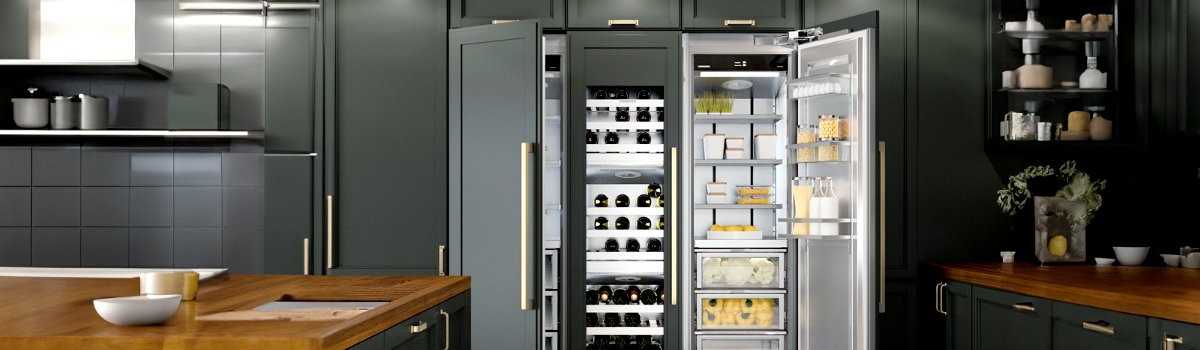
You open your Liebherr, reach for a snack… and it’s pitch dark inside.
The fridge is running, food is cold, you can hear it humming — but the lights are dead.
It’s annoying, and a little unsettling. You start wondering:
“Is this just a burned-out bulb, or is something serious going on with my Liebherr?”
Most of the time, a dark interior is fixable and doesn’t mean your refrigerator is about to fail. But it is a sign that something in the power, the switch, the bulb/LED module, or the control system needs attention.
Let’s walk through it in a calm, step-by-step way, like a good tech standing in your kitchen — not a cold, generic manual.
What a dark Liebherr is (and isn’t) telling you
First, a dark interior light doesn’t always mean the fridge itself is in danger.
- The cooling system and the interior lighting are separate.
- The fridge can still cool normally even if the light or LED module has failed.
So if everything else is working — temperature is fine, motor runs, display is on — you’re likely dealing with:
- A bad bulb or LED module
- A door switch that isn’t registering the door opening
- Power/supply issues to the light circuit
- A setting or safety feature (like auto-off after a long open door)
- In rarer cases, a control board or wiring fault
Your job as the owner is to rule out the simple stuff safely, and know when to stop and call a pro.
Quick things to notice before you touch anything
Take 30 seconds and just observe:
- Is the display or temperature panel lit up, or is the whole fridge dead?
- Do you hear the compressor or fans running?
- Does the light flicker for a second and then go out, or does it stay completely off?
- If you gently press the little door switch (or where the switch is) with your finger, does anything change?
These tiny observations help separate a simple bulb issue from a bigger electrical problem.
Most common reasons the lights inside a Liebherr refrigerator stop working
Let’s break down the usual suspects, starting with the easy ones and working toward the more technical.
1. The fridge isn’t actually “on” (or the light timed itself out)
This sounds obvious, but it’s worth checking because Liebherr has a couple of specific behaviors.
According to Liebherr manuals and FAQs, the interior light won’t come on if:
The appliance is switched off on the control panel. There’s no power (plug pulled, tripped breaker, blown fuse). The door has been open for about 15 minutes — the light can automatically shut off to protect components. On some models, the lighting can be deactivated in the settings menu.
So before you assume a failure: Make sure the fridge is plugged in properly and the outlet works (you can test with a small lamp). Check your breaker/fuse box. Look at the control panel – is the refrigerator compartment turned on? Close the door for a minute and open it again to wake up any timeout feature.
If the display is lit and the unit cools normally, but the inside stays dark, move on to the next suspects.
2. Burned-out bulb or failed LED module
This is still the most common reason for fridge lights failing – including Liebherr.
Older or simpler models may use a small incandescent bulb. Newer Liebherr models often use LED lighting modules in the ceiling or side walls.
Signs you might just have a bad lamp or module: Everything else in the fridge works normally. The light doesn’t flicker; it’s simply dead. Sometimes the light gradually got dimmer or flickered before failing.
Liebherr’s own documentation says: An LED lamp is standard for interior lighting on many models. If defective, it should be replaced with an original Liebherr LED lamp to avoid overheating or fire risk.
That’s why on a lot of LED-equipped models, manuals tell you to contact customer service rather than swapping the LED yourself.
3. Door switch not telling the light to turn on
Your fridge light doesn’t just “know” when to turn on — it depends on the door switch or a magnetic sensor near the door.
- Stuck
- Broken
- Misaligned
- Or the door magnet isn’t being detected
…the light may stay off even though you’re staring right at the dark interior.
What this looks like in real life: No light, but everything else is fine. Light may flicker if you press the switch manually. Closing the door gently doesn’t “click” the switch properly if the fridge isn’t level or the door is sagging.
On some Liebherr models, there’s also an internal door magnet that works with the sensor. If that magnet is missing or not recognized, the system can deactivate the light after a period.
4. Power, socket, or wiring issues in the light circuit
If the bulb/LED and door switch are okay, there could be a problem in the path that brings power to the light:
- Loose or damaged wires
- A bad light socket or connector
- Corroded contacts inside the light fitting
General appliance guides point out that “no power to the light bulb socket” or wiring faults are a common next-level cause after the bulb and switch.
This is the point where most homeowners should stop and think about safety. Accessing and testing wiring requires the fridge unplugged, and ideally a multimeter and some experience.
5. Control board or electronics fault (less common, but real)
In rare cases, the control board that sends power to the light module fails. That can leave you with:
- A perfectly cooling fridge
- A working display
- But no output to the light circuit or LED driver board
At that point, replacing bulbs or pushing on the door switch won’t fix the problem. Diagnosis usually means pulling panels, checking connectors, and measuring voltage — which is solidly “call a technician” territory for most people.
Safe DIY checks you can do before calling for service
You don’t have to become an engineer to do some useful troubleshooting. Here’s a practical, homeowner-level routine.
Safety first: Any time you touch wiring, remove covers, or handle a lamp holder, unplug the fridge or switch off the breaker. There is always a risk of electric shock if the appliance is live.
1. Confirm the basics
You’ll want to confirm: The fridge is plugged in and the outlet works. The breaker / fuse for that circuit hasn’t tripped. The refrigerator section is actually switched on in the control panel.
If the display is dark and the light is dark, you likely have a bigger power problem.
2. Let the door “reset”
If the door has been open for a long time while you were loading groceries or cleaning, some Liebherr models will automatically switch the light off after about 15 minutes to protect the electronics.
Close the door fully for a minute or two, then open it again. If the light comes back, that’s exactly what was happening.
3. Gently test the door switch
Find the switch or sensor: On many models it’s a small button or plunger in the frame. On others it may be more hidden, working together with a magnet in the door.
With the fridge plugged in but being careful: Press the button in and out a few times. Watch the light closely while you do it.
If the light flickers or comes on briefly when you press, the switch might be sticking or worn out.
Sometimes gentle cleaning around the switch area (no soaking water, just a damp cloth) helps if there’s sticky residue or food gunk.
Replacing a simple bulb vs. dealing with LED modules
Here’s where things split, depending on what your Liebherr uses for interior lighting.
If your model uses a traditional bulb
Some Liebherr manuals still mention small incandescent bulbs (often max 15 W with an E14 fitting).
The usual steps (always double-check with your specific manual):
- Unplug the fridge or turn off the breaker.
- Remove the light cover (it may clip or screw off).
- Carefully unscrew the bulb and inspect it.
- Replace with a bulb of the same type and wattage the manual specifies.
- Put the cover back, restore power, and test.
If the new bulb doesn’t light at all, then the problem isn’t the bulb — it’s the switch, socket, wiring, or control.
If your Liebherr uses LED interior lighting
Many current models use LED lamps or light modules instead of standard bulbs. Manuals specify:
Only original LED lamps from Liebherr should be used. Using third-party LEDs can create a risk of overheating or fire, and for some LED arrangements, they simply say to contact customer service.
Preventing future lighting problems in your Liebherr
Once you’ve dealt with the issue (or had it repaired), a few habits can help your lighting last longer and work more reliably.
Help the door and switch do their job
A lot of lighting issues start with the fridge not recognizing the door position correctly.
Keep door gaskets clean and flexible so the door closes properly. Avoid overloading the door shelves with heavy bottles that twist or sag the door. Make sure the appliance is level, so the door lines up with the frame and the switch or magnet sensor.
Don’t leave the door hanging open
During cleaning or big grocery drops, try to work in “bursts”: Open the door, do what you need, close it again. If you must keep it open, expect the light to shut off automatically after a while on some models — that’s normal behavior, not a failure.
Protect the light area from moisture and hits
Small things that help: Don’t slam containers or tall items into the light cover. Wipe up heavy condensation around the light if you’ve had the door open a long time, so moisture doesn’t creep into connectors.
Follow the manual for bulbs and LEDs
It’s easy to grab “any LED” from a drawer, but mixing the wrong lamp type or wattage can shorten life or overheat fittings. Liebherr specifically warns to use original LED lamps for models designed for them.
In a nutshell
If you’re staring into a dark Liebherr wondering, “Why did the lights inside my Liebherr refrigerator stop working?” — you’re almost always looking at one of five things:
- Power or settings
- A simple burned-out bulb or LED module
- A door switch or magnet sensor that isn’t doing its job
- A problem with the light’s wiring or socket
- A rare electronics fault in the control board
Start with the gentle checks and the safe, easy fixes. If the light still refuses to come on, that’s your cue to let a Liebherr specialist handle the rest — so your fridge goes back to being bright, not mysterious.