Why does my Liebherr refrigerator make my food or ice smell or taste weird?
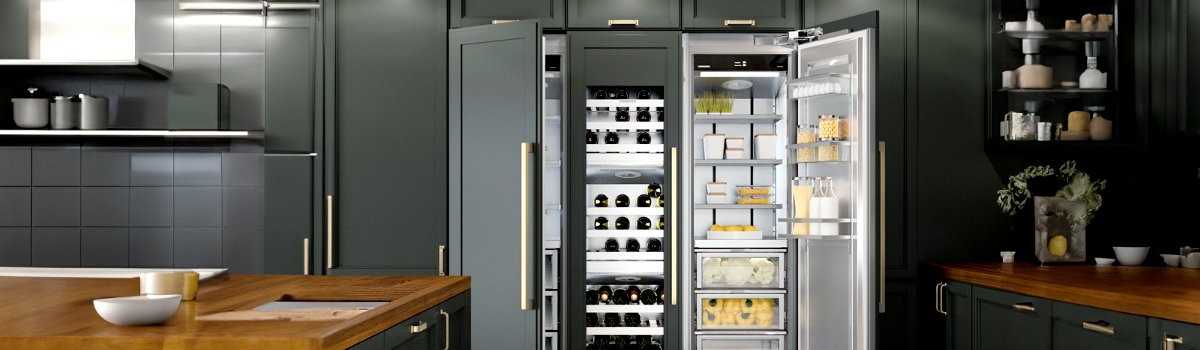
You open your Liebherr to grab a drink… and your ice tastes like onions.
Or yesterday’s leftovers come out tasting like “fridge” instead of food.
If you’re wondering “Why does my Liebherr refrigerator make my food or ice smell or taste weird?” you’re not being picky — your fridge is literally changing the flavor of what you put in it. The good news: in most cases, this is about odors, storage habits, and simple maintenance, not a “ruined” appliance.
Let’s walk through what’s really going on, how to fix it yourself, and what you can do so your Liebherr keeps things cold without adding its own smell or aftertaste.
What “weird” taste or smell usually means
Most of the time, strange taste or smell doesn’t start in the metal and plastic of the Liebherr itself. It starts with:
- Food that’s spoiling or giving off strong odors
- Odors that get trapped in plastic, rubber, and ice
- Water that isn’t as clean as you think it is
- A fridge that hasn’t had a real cleaning in a while
Refrigerators recirculate air between compartments, and many foods and ice are little odor sponges. Fats, dairy, and ice cubes absorb smells from the air around them quickly.
So if one strong smell dominates inside the fridge or freezer, it won’t stay “in its corner” for long.
The main reasons your Liebherr is giving food or ice a weird taste
Let’s start with the big culprits. We’ll get to step-by-step fixes in a minute.
1. Strong food odors spreading through the fridge and freezer
Uncovered leftovers, cut onions, fish, garlic, certain cheeses — all of these throw off powerful smells. Air moves around inside the Liebherr, and that air doesn’t care which shelf or drawer something is in.
- Settle into ice cubes
- Get absorbed by butter, dairy, and fatty foods
- Soak into soft plastics and gaskets over time
Many Liebherr manuals literally warn you to keep odor-heavy foods tightly covered or in sealed containers so they don’t taint other items. If your ice smells like last night’s dinner, this is usually why.
2. Old, forgotten, or spoiled food hiding in the background
Sometimes the source is not what you smell right away — it’s what’s hiding in a corner, drawer, or behind a container.
A leaking meat package, a slimy vegetable at the back of the crisper, or leftovers from “who knows when” can start to rot and create a deep, stale odor. Even small bits of food that spilled, then dried under a shelf or in a groove, can decompose and keep releasing smell.
You might throw away the obvious culprit, but if you don’t actually wash the area where it sat, the smell lingers — and everything around it slowly picks it up.
3. Interior surfaces, seals, and the drain starting to smell
Even when food is gone, the fridge itself can hold onto odor.
Inside a Liebherr, bacteria and mold can grow:
- On plastic shelves and drawers after spills
- Under the edges of glass shelves
- In the condensation channel and drain hole at the back
- On the soft rubber gasket around the door
Liebherr’s own cleaning guides call out the drain hole as a common source of bad smells if it’s dirty or clogged, and recommend cleaning it with water and mild detergent using cotton buds or pipe cleaners.
If those areas never get a real wash, the fridge can smell “off” even when it looks visually clean.
4. Ice that has gone stale or absorbed freezer smells
Ice doesn’t just sit there and stay neutral. It’s frozen water with lots of tiny air pockets. Those pockets pull in odors from the freezer over time:
- Open packages of meat or fish
- Old frozen leftovers
- Spilled juices that froze in the bin
- General “freezer smell” if it hasn’t been cleaned in a long time
If you don’t use ice often, cubes can sit for weeks, absorbing whatever’s in the air. Many appliance guides point out that low ice usage and old cubes are a big reason ice tastes bad, even when the water itself is okay.
So if the first few cubes of the day taste funny, but brand-new cubes later taste better, you’re dealing with stale or odor-soaked ice.
5. Water filter or water supply issues
If your Liebherr is plumbed in and has a water filter, that filter is there to catch sediment, chlorine, and other impurities.
When it’s old or clogged, it doesn’t do its job well: Minerals and contaminants can make water and ice taste metallic or bitter. Chlorine and other chemicals become more noticeable. Local water problems (sulfur, algae, high mineral content) go straight into your ice
Manufacturers and service techs consistently note dirty filters and poor water quality as key causes of bad-tasting ice. If your tap water already tastes a little off and the filter is overdue, the ice will not magically taste better.
6. “New fridge” or “new plastic” smell in ice
If the Liebherr is fairly new or you just installed the ice maker, weird plastic or chemical taste is common at first. Plastics, hoses, and insulation can off-gas early on. That smell can get into:
- The freezer air
- The ice bin
- The water line and first batches of cubes
This is usually temporary — but only if you flush, dump, and clean correctly.
How to fix weird smells and tastes in your Liebherr step by step
Let’s turn this into a practical plan. You don’t need special tools, just some time and basic supplies.
Step 1: Do a “smell audit” and clean-out
Start simple: Take everything out of the fridge and freezer that you realistically can. Toss anything expired, moldy, or “mystery container from three weeks ago.” Check under drawers and at the very back of shelves for leaks or crusted spills.
Move quickly so food doesn’t sit out too long, but don’t rush so much that you miss obvious culprits.
Step 2: Wash the interior, not just wipe it
Use warm water with a little mild dish soap or a baking soda solution.
Focus on: Shelves (including the edges and underneath). Door bins and inner door liner. Crisper drawers and the rails they slide on. The back wall and any visible condensation channels.
Remove glass shelves if you can and wash them in the sink. Liebherr’s cleaning guides emphasize thorough cleaning because bacteria can still grow at fridge temperatures and cause odors. Dry everything well before putting it back.
Step 3: Clean the drain hole and check for hidden gunk
At the back of many Liebherr fridges there’s a small drain hole that collects condensation. If that hole or the channel leading to it collects slime or food bits, it can start to smell.
Gently: Locate the drain (usually at the lowest point of the rear interior wall). Use a cotton swab, pipe cleaner, or a soft brush to loosen any residue. Slowly pour a little warm, soapy water down the hole to flush it.
If you see dark sludge or smell something stronger at the drain, cleaning it can make a big difference.
Step 4: Deep-clean the ice maker and ice bin
If ice smells or tastes weird, cleaning just the fridge isn’t enough.
- Dump all existing ice. Don’t keep the “good-looking” cubes.
- Wash the ice bin with warm water and a small amount of dish soap, rinse thoroughly, and dry.
- If the design allows, wipe the ice chute and surrounding plastic with a mild, food-safe cleaner.
Let it dry completely before you run the ice maker again. In some cases, a mild vinegar solution (followed by a very good rinse) can help remove mineral film or light biofilm — just don’t leave strong vinegar smell behind.
Step 5: Replace the water filter
If your Liebherr has a water filter and you can’t remember when you last changed it, assume it’s time.
Use the correct replacement filter model. Follow the manufacturer’s instructions for installing it. After replacement, run several glasses of water through (if you have a dispenser) to flush air and carbon dust.
Then let the ice maker produce and discard the first 1–2 batches of ice before you actually use the cubes.
Step 6: Let the fridge deodorize
After cleaning, you can help the Liebherr “reset” by putting odor absorbers inside:
- An open box or small bowl of baking soda in the fridge and the freezer
- Or a small pouch of activated charcoal on a shelf, away from vents
These don’t fix the root cause, but once everything’s been washed, they help pull out leftover odors from plastic, gaskets, and air over the next days.
If the appliance is completely empty for a while (for example, during a move or long trip), Liebherr manuals often recommend leaving the doors slightly open so smells don’t build up in a closed, damp interior.
Everyday habits to prevent bad smells and tastes from coming back
Once you’ve done the hard work, you want the fridge to stay fresh. Small changes make a big difference.
Store food like everything can share flavor (because it can)
Imagine everything in the fridge is sitting in one big shared scent cloud — because that’s basically what’s happening.
Try to:
- Use sealed containers for leftovers, soups, sauces, and anything smelly.
- Cover cut onions, garlic, strong cheeses, and fish tightly.
- Avoid leaving open cans or uncovered plates on shelves.
Liebherr’s instructions specifically say to use closed containers for foods that give off or can absorb odors, to avoid flavor transfer.
Make “quick check and toss” a regular thing
You don’t need to wait for a full deep clean.
Once a week, do a fast pass: Scan for expired dates. Look for anything liquidy in the crisper that shouldn’t be. Smell the inside when you open the door — if something feels “off,” find it now.
Catching one leaky package early is much easier than fighting a smell that’s soaked into the plastic for weeks.
Keep the interior and gasket on a light cleaning schedule
You don’t have to scrub your
Liebherr every weekend, but: Wipe visible spills right away. Every few weeks, quickly wipe shelves and the door gasket with warm, soapy water. Check the drain hole now and then to be sure it isn’t slimy or blocked.
This kind of maintenance is exactly what Liebherr recommends to prevent odors and bacterial growth inside the cabinet.
Use your ice — and refresh it regularly
Ice that sits for weeks in the bin will pick up whatever’s in the air, no matter how clean the water is.
Good habits: Dump and refresh the ice bin every so often, especially if you don’t use ice daily. If the freezer has been open a lot (party, cooking day), expect that batch of ice to taste more like “freezer” and consider replacing it.
Freshly made ice in a clean bin, with a clean filter, usually tastes dramatically better.
If your Liebherr refrigerator is making your food or ice smell or taste weird, it usually doesn’t mean the brand is bad or the appliance is finished. It means:
- Odors are moving freely through the fridge and freezer
- Ice and food are absorbing those odors
- The interior, drain, ice system, or water filter needs attention
A careful clean-out, real washing (not just a quick wipe), cleaning the drain, changing the water filter, and refreshing your storage habits will solve most cases.
From there, if you’re still getting strange tastes after you’ve done all of that, it’s a good sign to let a Liebherr-experienced technician take a look and make sure nothing deeper is going on.