Why is there so much frost and ice building up inside my Liebherr fridge or freezer?
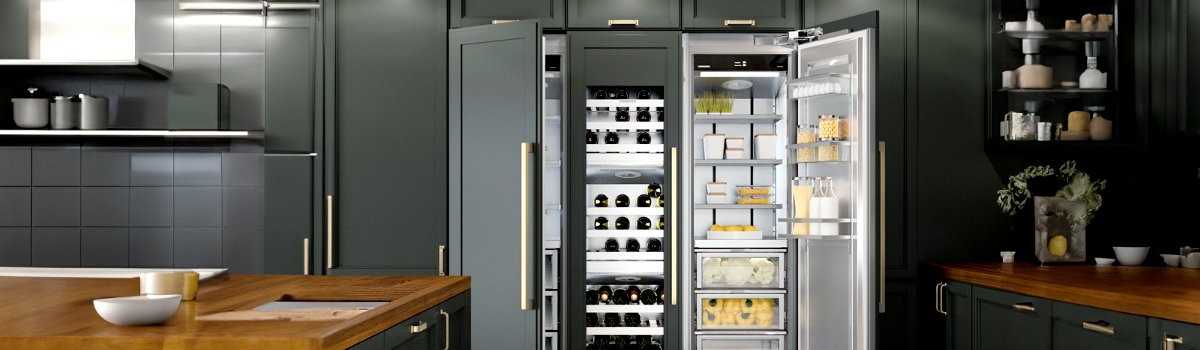
You open your Liebherr to grab something quick — and instead you’re staring at thick frost on the back wall, drawers that barely move, and fluffy “snow” on your food. It looks like a mini winter storm inside your fridge.
It’s annoying, it wastes energy, and it definitely shouldn’t be that way all the time. The good news? In most homes, heavy frost isn’t a death sentence for your Liebherr. It’s usually a mix of small things: how the door closes, how the food is loaded, and how the fridge is set up.
In this guide we’ll talk to you the way a good technician would if they were standing in your kitchen:
what’s normal, what isn’t, what you can safely do yourself, and when it’s time to let a pro handle it.
When frost is normal – and when it’s a red flag
A little bit of moisture or a light dusting of frost inside a Liebherr is not always a problem.
On many models:
- The back wall gets very cold during the cooling cycle.
- Moisture from the air lands on that wall and freezes as a thin layer of frost.
- During defrost, that frost melts, water runs into a small drain, and disappears into a tray.
So if you see just a thin, even film on the back wall that comes and goes, that can be totally normal.
What isn’t normal:
- Thick, hard sheets of ice on the back or floor
- Drawers stuck to the bottom by a chunk of ice
- Fluffy, snowy frost piling up around food and on the door frame
- Frost coming back fast right after you clean or defrost
If that sounds like your situation, something in the way the fridge or freezer is running (or being used) needs attention.
The real-life reasons your Liebherr is icing up
Let’s skip the technical lecture and talk about what usually causes this in real homes.
The most common culprits are:
Warm, humid kitchen air sneaking in through the door
Even when you think the door is “closed,” a dirty, damaged, or twisted gasket can leak. Or a big box inside may be pushing on the door so it never fully seals. That constant stream of moist air turns into frost all over your cold surfaces.
Defrost system not keeping up
Modern Liebherr freezers melt frost off the internal coils on a schedule. If the heater, sensor, or control that handles this stops doing its job, the coils get buried in ice. That ice then spreads, and you start seeing thick build-up on the back wall and in corners.
Blocked defrost drain or channel
When the defrost cycle runs, the melted water should flow into a little drain hole and out to a tray. If that hole is clogged with food bits, slime, or ice, the water has nowhere to go. It pools, freezes, and turns into a solid block of ice under drawers or on the floor.
Temperatures set way too cold
It’s tempting to crank everything down “just to be safe.” But if the fridge or freezer is colder than it needs to be, more moisture turns to ice before the defrost system can handle it. You end up with frozen food at the back, icy walls, and constant frost.
How the fridge is loaded and where it lives
Food shoved tight against the back wall, vents covered by bags, or a completely over-packed freezer all disturb airflow. And if the fridge stands in a hot, humid kitchen or right next to the oven, it has to work harder and pulls in more damp air every time you open the door.
Usually, it’s not just one thing — it’s a combination. The fix starts with a good reset.
A simple, safe defrost reset you can do yourself
Before you worry about parts or boards, give your Liebherr a proper fresh start. You don’t need special tools, just some time and towels.
Step 1: Take care of the food
Move what you can into a cooler with ice packs or into another fridge/freezer.
Anything that absolutely must stay frozen should be your priority.
Step 2: Turn the appliance off
Unplug the Liebherr or switch it off at the breaker.
This protects the compressor and fans while everything thaws.
Step 3: Open the doors and let the ice melt
Leave the doors open. Put towels on the floor and a tray or pan where water might drip.
- Place a bowl of hot (not boiling) water on a shelf to gently warm the air.
- Replace the water when it cools down.
Avoid sharp tools. Don’t chip at the ice with knives or screwdrivers. One wrong move can puncture something that is very expensive to fix.
Step 4: Clear the defrost drain
When most of the ice has melted and you can see the back wall: Find the small drain hole or channel at the back (usually near the bottom of the rear panel). Use a soft pipe cleaner, cotton swab, or flexible plastic tube to gently clear it. Slowly pour a little warm water down the hole. It should flow through, not back up.
If water suddenly disappears and you hear it dripping into the tray below, that’s exactly what you want.
Step 5: Clean the door gasket and frame
Before you turn the unit back on: Wipe the rubber door seals with warm, soapy water. Wipe the cabinet surfaces where the gasket touches.
You’re removing grease, crumbs, or sticky spots that stop the gasket from laying flat and sealing properly. Close the door gently and look all around the seal. It should sit evenly with no twists or visible gaps.
Step 6: Set realistic temperatures
Once everything is clean and dry, plug the Liebherr back in and set:
- Fridge section: around 37–41°F (3–5°C)
- Freezer: around 0°F (-18°C)
Skip any “super” or “quick” modes for now. The goal is to let the appliance cool down steadily and evenly.
Step 7: Load it in a smarter way
As you put food back: Keep items slightly away from the back wall. Don’t pile boxes so high they press on the door. Try not to block vents – leave a bit of space so air can move.
Now give it a few days of normal use and keep an eye on frost levels. If it stays under control, your main issue was drain/gasket/habits. If thick frost returns quickly, you may be looking at a deeper defrost system problem.
What you shouldn’t do when dealing with frost
It’s easy to get frustrated and go too far. A few things to avoid:
Don’t use sharp tools.
Knives, screwdrivers, ice picks – all of these can puncture the liner or a hidden pipe in seconds. That’s usually the end of the appliance.
Don’t pour boiling water inside.
Very hot water can crack or warp plastic parts, shelves, and bins. Warm water is enough.
Don’t run the fridge with covers or panels removed.
Some models rely on specific airflow behind those panels. Running it open can overheat parts and give the wrong readings to sensors.
Think “patient thaw and clean,” not “attack the ice.”
Everyday habits that keep frost and ice away
Once you’ve done the reset, small changes in daily use make a huge difference.
Make the door seal work for you
Try this once in a while:
Close the door on a dollar bill and gently pull. If it slides out with almost no resistance in certain spots, that area may not be sealing well.
- Keep gaskets clean.
- Watch for cracks, tears, or spots where the rubber is deformed.
- Don’t overload the door with heavy bottles that twist it out of alignment.
Be mindful when you open the door
You don’t have to rush like crazy, but try not to stand there with the door wide open while deciding what you want. The longer the door is open, the more warm, humid air gets in — and that air eventually becomes frost.
Let hot food cool down first
Putting a steaming pot directly into the fridge sends a cloud of moisture straight onto your cold surfaces. Let it cool on the counter until it’s just warm, then cover it and store it.
Give the interior some breathing room
- Push food right against the back wall.
- Stack bags in front of vents.
- Pack the freezer so tightly that nothing can move.
Good airflow means the temperature stays more even, the defrost system works as designed, and frost build-up slows down.
Watch the room environment
- Tight against the wall with zero space
- In direct sun
- Next to a stove or radiator
… it will work much harder. When the cabinet gets hotter on the outside, the unit runs more, pulls in more warm air with every door opening, and creates more frost. A little more space and less direct heat really helps.
Final thoughts
If you’ve been asking yourself, “Why is there so much frost and ice building up inside my Liebherr fridge or freezer?” the answer is almost always a mix of warm air sneaking in, water not draining where it should, and how the fridge is loaded and set.
Start with the safe reset: full defrost, clean drain, clean gasket, reasonable temperatures, smarter loading.
If frost still comes back fast, that’s your clear signal to let a Liebherr pro dig into the defrost system and get your fridge or freezer back to normal.