Why won’t the door on my Liebherr fridge close or seal properly?
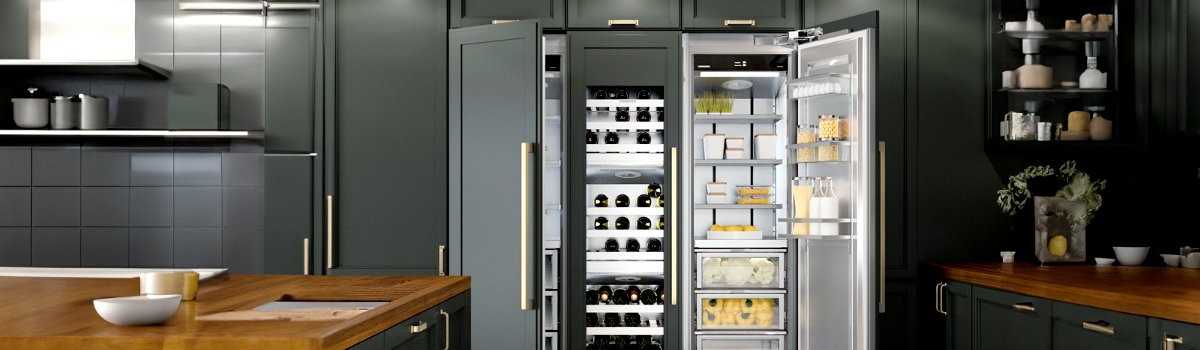
You walk past your Liebherr, notice the light is on, check the door… and it’s sitting there, just a few millimeters open. Or you close it, turn around, and it slowly creeps back out again like it changed its mind.
It feels small, but a door that doesn’t close or seal properly can:
- Warm up the inside of the fridge
- Spoil food faster
- Run the compressor nonstop and drive up your electric bill
Most of the time, this is fixable at home with a bit of cleaning, adjusting, and reorganizing — especially on Liebherr models with soft-close hinges and integrated doors.
Let’s go through what’s really going on, what you can safely do yourself, and how to keep that door closing like it did on day one.
How a healthy Liebherr door is supposed to feel
On a properly working Liebherr:
- The door swings smoothly and pulls itself gently closed in the last few inches (on models with SoftSystem / soft-stop).
- The gasket (rubber seal) lies flat all the way around — no waves, twists, or gaps.
- When the door is shut, you feel a bit of resistance if you try to pull a sheet of paper out from between the seal and the cabinet.
If your reality is more like “door bounces back,” “needs a shoulder shove,” or “stays open unless I slam it,” something in that system is off.
The most common reasons your Liebherr door won’t close or seal
Let’s talk straight: in most kitchens, the problem isn’t some mysterious “Liebherr defect.” It’s usually one (or several) of these:
The fridge isn’t level
If the cabinet is tilting slightly forward, gravity is working against you. Doors naturally want to swing out instead of in. Leveling is one of the first checks manufacturers mention when doors don’t close right.
The door gasket is dirty, twisted, or worn
That rubber seal is your real “door lock.” Grease, crumbs, or dried spills break the grip. Over time, the material can crack, flatten, or lose its magnetic pull, letting warm air slip inside.
Hinges or soft-close mechanism are out of alignment
Liebherr doors are heavy, especially once you load them with bottles and jars. Over time, hinges can sag or shift a few millimeters. On integrated / built-in door-on-door setups, the cabinet panel can also get out of sync with the appliance door. When that happens, the door doesn’t line up with the frame and won’t seal smoothly.
Something inside is physically blocking the door
Tall containers on the door, overstuffed shelves, drawers not fully pushed in, or a tray sticking out by a few millimeters can all stop the door from closing, even if you don’t notice it at first glance.
Ice buildup or warped plastic at the frame
If you’ve had frost/ice issues, frozen ridges or chunks of ice can literally push the door back. Over time, severe ice buildup or heat exposure can even warp plastic parts around the opening so they no longer meet the gasket cleanly.
Usually, you’ll see a mix of these rather than just one. That’s why a step-by-step approach works best.
First check: is your Liebherr standing correctly?
Before you touch the gasket or hinges, check the “foundation.”
Put your hand on the top of the fridge and gently rock it. If it wobbles or feels like it’s leaning forward, the door is fighting physics every time it tries to close.
What you can do
- Look at the gap between the cabinet and the wall or surrounding furniture. If the top leans forward, the front feet may need to be raised a little.
- Use a small level (or even a phone app) on top of the fridge. Ideally, the unit is slightly higher at the front so the door wants to swing shut on its own.
Most Liebherrs have adjustable feet. A few turns with the right tool can change the way the door behaves all day long.
Second check: what’s living on the door and shelves?
Sometimes the “technical problem” is just… life.
Open the door and really look:
- Are there extra-tall bottles in the lower door bins that touch the shelves when you close the door?
- Is there a pan, box, or tray that sticks out a few millimeters?
- Are the drawers fully pushed in, or do they bounce back slightly when you close them?
Even one item pressing lightly against the door from inside can stop the soft-close from working or cause the door to bounce back open.
Quick reset you can try: Take the heaviest stuff off the door temporarily (big milk jugs, juice, glass bottles). Push drawers and shelves firmly into place. Close the empty door and watch it. Does it now close and seal normally?
If an “empty” door behaves better than a fully loaded one, you’ve just proven part of the problem is layout and weight distribution.
Third check: the door gasket
The gasket is where a lot of door problems start — and it’s something you can work on yourself.
How to test the seal
Try the simple paper or dollar bill test: Close the door on a piece of paper or a bill so half is inside, half outside. Gently pull. Do this around different parts of the door.
You should feel consistent resistance all the way around. If the paper slides out easily in certain spots, those areas aren’t sealing well.
How to clean and “reset” the gasket
Most manufacturers (including Liebherr) recommend regular cleaning of the seal to keep it flexible and effective.
Do this with the fridge running or turned off — whichever is more convenient: Mix a little mild dish soap with warm water. Wipe the gasket slowly, getting into the folds. Remove crumbs, sticky residue, or dried spills. Wipe the frame where the gasket touches, too. Dry everything with a soft towel.
If parts of the gasket were stuck out of shape — curled, twisted, or folded — gently warm them with your hands or a warm (not hot) cloth and massage them back into position. Sometimes you can help a slightly deformed seal lay flatter again.
If you see deep cracks, missing chunks, or a seal that just won’t sit right, that’s often a sign it’s time for a replacement gasket. On many Liebherr models, seals are replaceable parts designed to be swapped when they wear out.
Fourth check: hinges, soft-close, and integrated panel alignment
If your Liebherr is built-in, “door-on-door,” or has SoftSystem / soft-stop, the hinge and panel setup is more complex than a basic fridge. When the alignment is off, the door may hit the furniture panel first, bind, or never quite reach the fully closed position.
What to look at (no tools yet)
- Stand back and look at the gaps: Is the door higher on one side? Are the lines between cabinet fronts uneven?
- Slowly close the door and watch the very last centimeter. Does it pull itself in, stop suddenly, or bounce back?
- On integrated units: watch how the furniture door and appliance door move together. Do they stay parallel, or does one “lead” and pull on the other?
If the door looks like it’s sagging or the panel is dragging, the hinges or sliders may need adjustment. Liebherr documentation and many expert answers specifically mention hinge alignment as a key fix for “door not closing tightly.”
When DIY adjustments are reasonable
If you are comfortable with a hex key and following diagrams, you can: Very slightly tighten loose hinge screws. Use the adjustment points (often hex screws) to raise or lower the door a few millimeters. On door-on-door setups, check the sliders and mounting screws between cabinet front and appliance door.
Small, careful corrections can be enough to get the soft-close working again.
If you’re not comfortable adjusting hinges, or the door feels heavy and unstable, it’s smarter to stop here and get a Liebherr-trained technician. Mis-adjusting hinges can lead to more problems (and more expensive repairs) later.
Fifth check: ice, damage, or something “off” around the frame
If you’ve had issues with frost and ice, it’s worth checking for:
- Ice ridges or frozen buildup in the door opening
- Plastic that looks warped, melted, or bent around the frame
- Residue, stickers, or tape stuck where the gasket should sit flat
Ice or deformation can push the seal away from the cabinet, even if the gasket itself is fine. Defrosting and cleaning that area thoroughly can sometimes bring a stubborn door back into line.
If you see obvious damage to the frame — like cracked plastic or a bent metal edge — that’s usually a job for a professional, not a DIY patch.
Simple habits to keep your Liebherr door sealing for years
Once you’ve done the hard work, a few easy habits will keep you from repeating this story every few months.
Keep the seal clean and flexible
Make it part of your regular kitchen routine: Wipe the gasket and contact surfaces with warm, soapy water. Quickly inspect for cracks or areas that look flat and tired.
Liebherr themselves recommend keeping seals clean as a way to make sure doors close properly and to spot problems early.
Don’t overload the door
Use the door for lighter items if you can. Glass bottles and big jugs put a lot of stress on the hinges over time and encourage sagging.
If you notice that the door closes better when half-empty, that’s a sign the weight on the door has been part of the problem.
Close with intention (especially on soft-close models)
With soft-close hinges, you shouldn’t slam the door. But you also don’t want to half-close and assume the mechanism will do the rest from very far out. Bring the door most of the way in. Let the soft-close take over in the last few inches.
Listen: you should hear and feel a gentle, controlled “pull-in,” not a bounce.
Watch the surrounding furniture
Make sure the cabinet door isn’t rubbing on adjacent panels. Check that screws in sliders and brackets stay tight. If you have work done in the kitchen, confirm the fridge door still lines up afterward.
Integrated Liebherr models are very sensitive to how the furniture front is mounted. Small changes around them can throw their careful alignment off.
If you’re asking, “Why won’t the door on my Liebherr fridge close or seal properly?” you’re not alone — and you’re not powerless.
Start with the simple things: level the fridge, remove obvious obstructions, clean and test the gasket. Then move to hinge alignment and integrated panel checks if needed. In many homes, that’s enough to get that crisp, confident “click” back when you close your Liebherr.
And if it still doesn’t behave after all that, that’s your cue to let a Liebherr tech finish what you started — so your door closes properly, your food stays safe, and your fridge can finally stop working overtime.